 A professional supplier of swabs

Submit form and download the PDF
2026–2027 Flu Season: Early Trends and Why Respiratory Sample Quality Matters
As the 2026–2027 respiratory season begins in the Northern Hemisphere, influenza surveillance is already providing early insights into viral activity. For healthcare providers and diagnostic laboratories, these trends highlight the importance of timely testing and reliable specimen handling.
Early Flu Activity Is Rising in the United States
According to the U.S. Centers for Disease Control and Prevention (CDC), influenza activity remained low nationally in the week ending October 10, 2026, but several indicators had been increasing since late August and early September.
The percentage of clinical laboratory specimens testing positive for influenza rose from 3.9% in the previous week to 5.0%. Although these figures do not indicate how severe the full season will be, they demonstrate why respiratory virus surveillance and diagnostic readiness matter early in the season.
The World Health Organization (WHO) estimates that seasonal influenza causes approximately one billion infections worldwide each year, including 3–5 million cases of severe illness. These long-term estimates underline the continuing global burden of influenza, even though the timing and severity of each season vary.
Why the 2026–2027 Season Deserves Attention
Influenza viruses continue to evolve, which is why seasonal vaccine compositions are reviewed and updated regularly. For the 2026–2027 Northern Hemisphere season, WHO recommended updated vaccine virus components based on global surveillance data. In the United States, all three components of the seasonal influenza vaccine were updated compared with the previous season.
These updates reflect the changing nature of influenza viruses, but they do not mean that a more severe season is inevitable. Ongoing surveillance and appropriate diagnostic testing remain important for understanding which viruses are circulating and supporting clinical decisions.
Reliable Testing Starts Before the Laboratory
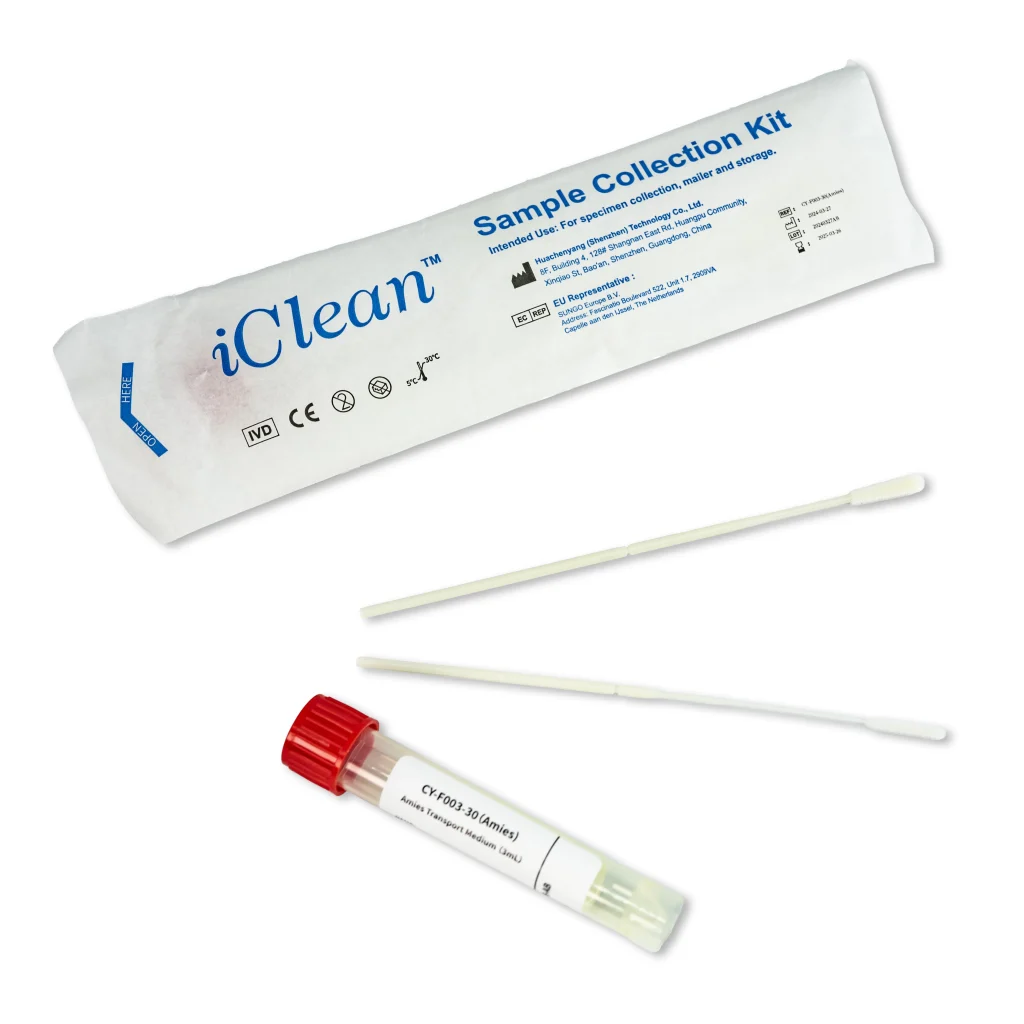
Accurate respiratory testing depends on more than laboratory instruments and diagnostic assays. Specimen collection, handling, and transport are also important parts of the testing process.
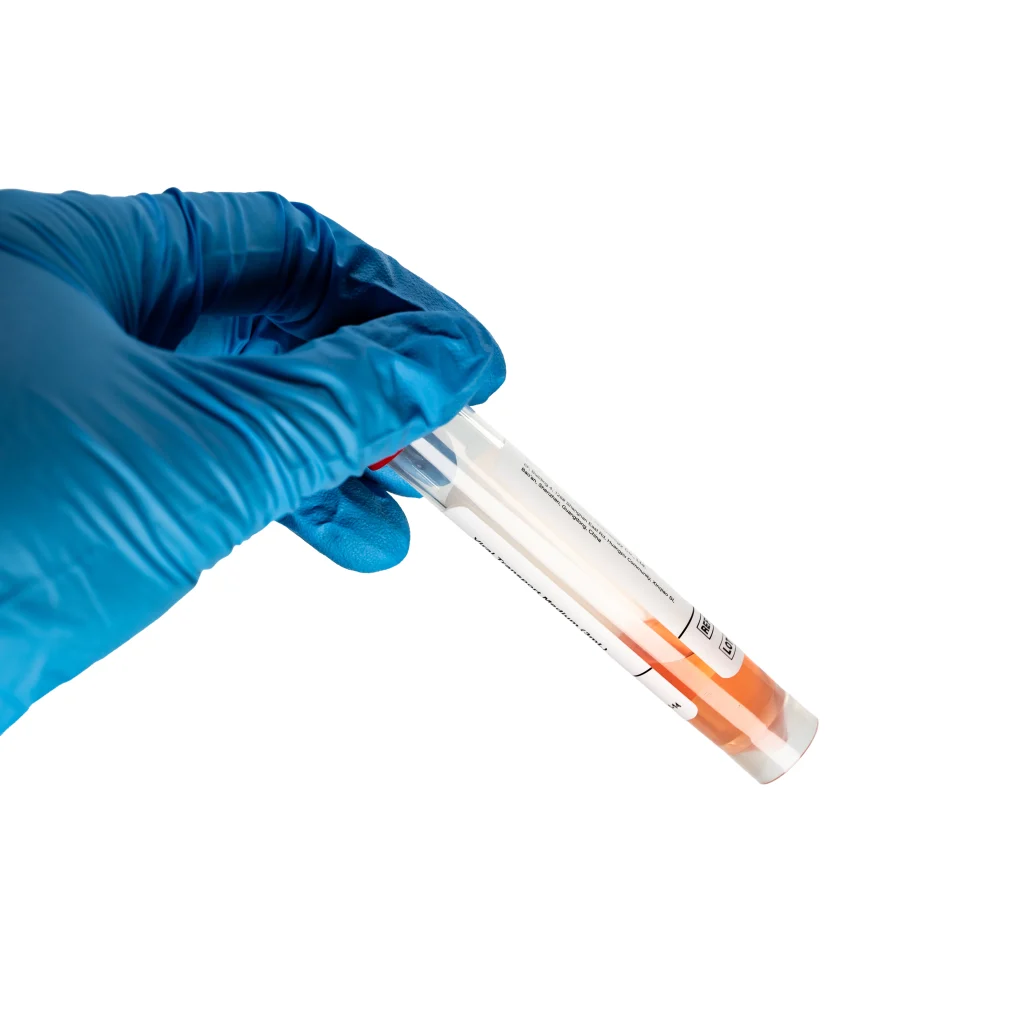
The appropriate swab must match the intended specimen type and diagnostic method. Flocked swabs are used in many respiratory specimen collection workflows, while viral transport medium (VTM) may be required when specimens need to be transported to another testing facility.
Storage conditions, transport time, and specimen requirements should always follow the applicable test manufacturer’s instructions and laboratory procedures. Poor handling can compromise specimen quality and may lead to repeat collection or testing delays.
Supporting Respiratory Specimen Collection and Transport
As a medical device manufacturer specializing in specimen collection and transport products, Huachenyang (HCY)provides solutions for healthcare and laboratory applications, including flocked swabs and viral transport medium (VTM).
For diagnostic laboratories, healthcare providers, and medical device distributors, selecting compatible collection materials and maintaining standardized handling procedures can help support a consistent respiratory testing workflow throughout flu season.
As influenza activity evolves during the 2026–2027 season, preparation begins with reliable surveillance, appropriate testing, and careful attention to every step from specimen collection to laboratory analysis.
Sources: