 A professional supplier of swabs
Submit form and download the PDF
What the UK’s “Tsunami of Pee” Incident Reveals About the Future of Urine Sample Collection
A recent healthcare discussion in the United Kingdom gained unexpected public attention after a medical practice was described as facing a “Tsunami of Pee” — a situation involving a large number of unsolicited urine samples submitted by patients.
While the phrase attracted attention because of its unusual wording, the underlying issue reflects a much broader challenge faced by healthcare systems worldwide: how to ensure urine specimens are collected, handled, and transported correctly before they reach the laboratory.
The incident was not simply about the number of samples. It highlighted the importance of standardized specimen collection processes and the growing need for more efficient laboratory workflows.
Specimen Quality Starts Before the Laboratory
Urine testing plays an important role in diagnosing urinary tract infections, kidney conditions, metabolic disorders, and other health issues. However, the accuracy of laboratory results depends heavily on the quality of the original specimen.
Before a urine sample reaches an analyzer, it has already gone through several critical steps, including:
- Patient preparation
- Sample collection
- Container selection
- Identification and labeling
- Transportation
- Storage
Errors during these pre-analytical stages can affect sample quality and may lead to repeat testing, delayed diagnosis, and additional healthcare costs.
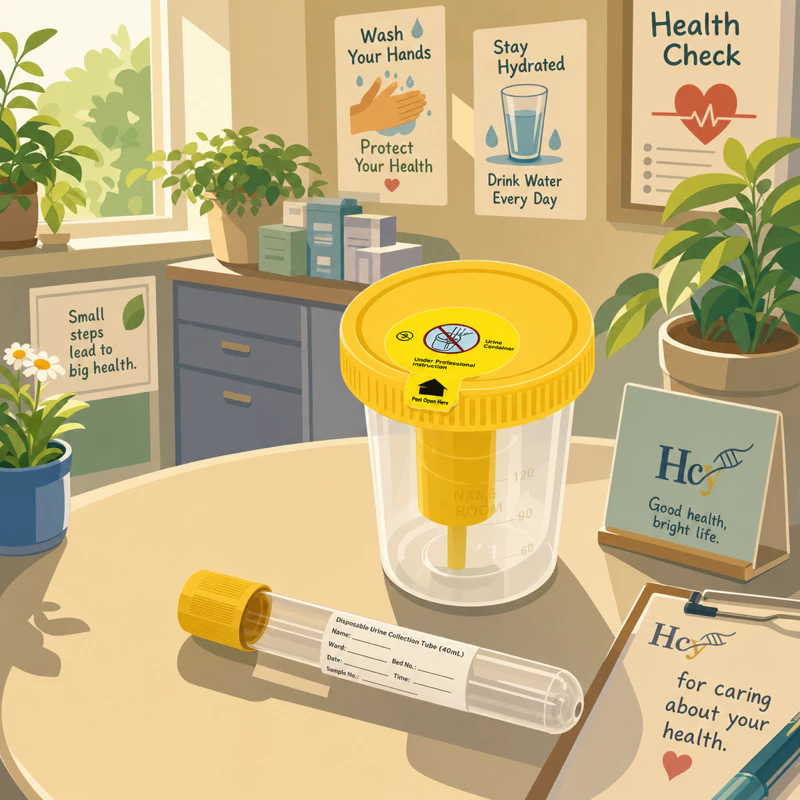
For laboratories, improving specimen quality is not only a technical goal — it is also a key part of improving overall healthcare efficiency.
Why Standardized Urine Collection Matters
As hospitals and diagnostic laboratories become more automated, the importance of standardized specimen management continues to grow.
Traditional urine collection methods may require multiple manual handling steps, which can create challenges related to:
- Sample contamination risks
- Inconsistent workflows
- Difficult transportation management
- Additional handling time
Vacuum urine collection systems provide a more standardized approach by enabling controlled transfer of urine specimens into designated tubes.
This type of workflow can support laboratories by helping improve:
- Sample consistency
- Transportation efficiency
- Traceability
- Laboratory productivity
However, technology alone is not enough. The best results come from combining appropriate collection devices with clear procedures, staff training, and effective quality management systems.
From Collection Devices to Complete Diagnostic Solutions
The “Tsunami of Pee” discussion serves as a reminder that specimen collection is not a simple administrative step. It is the beginning of the diagnostic process.
Healthcare providers and laboratories are increasingly looking beyond individual products and focusing on complete specimen management solutions.
This includes choosing medical consumable suppliers that understand:
- Healthcare workflow requirements
- Quality management standards
- Regulatory expectations
- Customization needs for different markets
As a medical consumables manufacturer, Huachenyang continues to focus on specimen collection solutions designed to support reliable laboratory workflows. Through manufacturing expertise, quality management practices, and OEM/ODM capabilities, the company works with healthcare partners to meet evolving diagnostic needs worldwide.
Looking Ahead: Building More Reliable Specimen Management
The discussion surrounding the UK’s “Tsunami of Pee” incident highlights an important lesson for modern healthcare:
Accurate diagnostics begin with high-quality specimens.
As laboratories continue to pursue greater efficiency and accuracy, standardized urine collection solutions will play an increasingly important role in improving patient safety, reducing unnecessary repeat testing, and supporting better diagnostic outcomes.
The future of laboratory medicine is not only about more advanced testing technologies — it is also about improving every step before testing begins.