 A professional supplier of swabs
CHG Applicator Showdown: What Makes a Superior Antiseptic Applicator in 2025?
905Which CHG applicator is best? We compare leak-proof design, 2% CHG/70% IPA stability, and certifications—see why Huachenyang leads.
View detailsSearch the whole station Lab Supply
In a busy operating room, every minute matters.
The surgical team has finished preparing the patient. Sterile drapes are in place. Instruments are ready. Everyone is waiting for the first incision.
Then, instead of handing over the scalpel immediately, the circulating nurse says:
“Please wait—it’s not dry yet.”
For patients, this brief pause may seem unnecessary.
For surgeons and infection prevention professionals, however, allowing chlorhexidine gluconate (CHG) to dry completely is an essential step in safe surgical practice.
So why does this waiting period matter?
Many people assume that once the skin no longer looks wet, surgery can begin.
In reality, drying allows two important processes to happen.
First, the 70% isopropyl alcohol (IPA) commonly used in CHG skin preparation solutions evaporates. Alcohol provides rapid antimicrobial action, but it also needs time to evaporate fully.
Second, CHG begins attaching to the outer layer of the skin (the stratum corneum). This helps create the residual antimicrobial activity that continues suppressing bacterial growth after the alcohol has evaporated.
Without adequate drying time, neither of these processes can perform as intended.
Allowing CHG to dry completely supports patient safety in several ways.
1. It helps achieve the intended antiseptic performance.
CHG requires sufficient contact with the skin to provide lasting antimicrobial protection. Wiping it away or covering the area too early may reduce its effectiveness.
2. It supports fire safety in the operating room.
Alcohol-based skin preparation solutions are flammable before they have completely dried. Electrosurgical units and other energy devices can generate heat or sparks during surgery, so operating room protocols emphasize allowing alcohol to evaporate fully before draping and incision.
3. It promotes standardized clinical practice.
Following the recommended drying time helps ensure that every patient receives consistent skin preparation, regardless of the procedure or surgical team.
Major infection prevention guidelines consistently emphasize an often-overlooked point:
Allow alcohol-based skin antiseptics to dry naturally before surgery or invasive procedures.
The exact drying time may vary depending on the product, the preparation area, hair density, and environmental conditions. Instead of relying on a fixed number of seconds, healthcare professionals should always follow the manufacturer’s Instructions for Use (IFU) and their hospital’s infection prevention protocols.
The goal is not simply to “wait”—it is to make sure the antiseptic has had enough time to work safely and effectively.
Drying time is only one part of successful skin antisepsis.
The antiseptic must also be applied evenly across the intended preparation area using an appropriate technique.
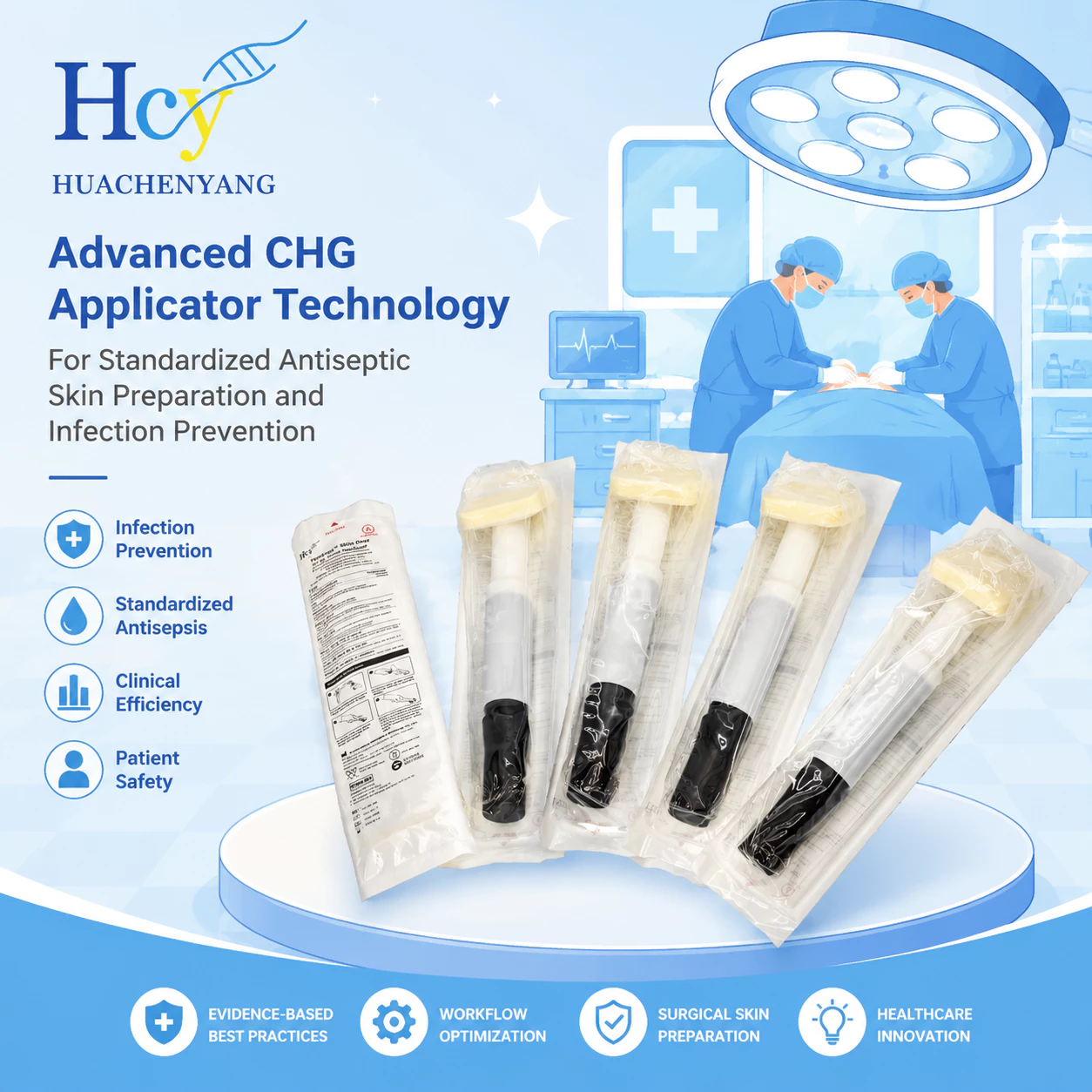
This is why many healthcare facilities choose single-use sterile CHG applicators, which help deliver the solution consistently while supporting standardized clinical workflows.
At HCY, CHG applicators are developed with these practical clinical needs in mind. Available in 26 mL, 30 mL, 35 mL, and 40 mL, HCY applicators are designed to provide reliable solution delivery, sterile packaging, and ergonomic handling for a variety of surgical and procedural settings.
Rather than simply supplying an antiseptic applicator, HCY focuses on helping healthcare providers perform consistent and evidence-informed skin preparation.
When surgery is about to begin, waiting for the antiseptic to dry may feel like a small delay.
In reality, it reflects a much larger commitment to patient safety.
Effective infection prevention is rarely achieved through one breakthrough technology. More often, it comes from carefully following simple, evidence-based steps—proper hand hygiene, sterile technique, correct skin preparation, and allowing CHG to dry completely before the first incision.
Sometimes, one of the most important moments in surgery is the moment when the team chooses to wait.

Which CHG applicator is best? We compare leak-proof design, 2% CHG/70% IPA stability, and certifications—see why Huachenyang leads.
View details
2% CHG Applicators For Skin Disinfection The CHGPrep® applicator is a single-use sterile product containing Chlorhexidine gluconate (CHG) at 2% w/w and isopropyl alcohol (IPA) at 70% v/v ...
View details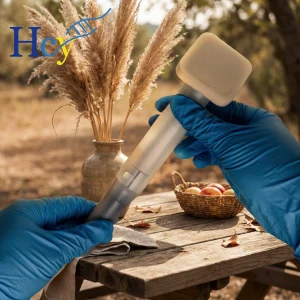
Grow sales by moving CHG Applicators from medical supply to outdoor essential. The perfect hygiene solution for camping kits. Tap the market now.
View details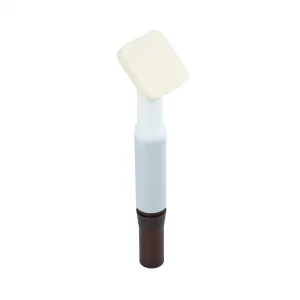
CHG Applicator (26mL, 30mL, 35mL & 40mL) with 2% CHG and 70% IPA for preoperative skin preparation, surgical antisepsis and infection prevention.
View detailsWe value your privacy We use cookies to enhance your browsing experience, serve personalized ads or content, and analyze our traffic. By clicking "Accept All", you consent to our use of cookies.
Our Privacy Policy