 A professional supplier of swabs
Bulk Buying Press-Type CHG Applicators? 5 Critical Mistakes
943Discover the hidden pitfalls in hospital sourcing of press-type CHG applicators. From fatal leaks to ergonomic nightmares, learn what top infection...
View detailsSearch the whole station Lab Supply
Which antiseptic should be used to prepare the patient’s skin?
For decades, two antiseptics have been widely used in operating rooms around the world: chlorhexidine gluconate (CHG) and povidone-iodine (PVP-I).
Both have played important roles in infection prevention. Both are supported by decades of clinical use. Yet clinicians, procurement teams, and healthcare distributors often ask the same question:
Does current clinical evidence favor one over the other?
The answer is more nuanced than many people expect.
Healthy skin naturally carries millions of microorganisms. While these microbes are usually harmless, they can become a source of infection if they enter the body during surgery or other invasive procedures.
The goal of preoperative skin preparation is to reduce the number of microorganisms at the surgical site before an incision is made, helping lower the risk of surgical site infections (SSIs).
Choosing an appropriate antiseptic is therefore one part of a broader evidence-based infection prevention strategy.

Although both products are skin antiseptics, they work in different ways.
Chlorhexidine Gluconate (CHG)
Povidone-Iodine (PVP-I)
Rather than viewing one antiseptic as universally superior, clinicians should understand the strengths of each option and select products according to clinical needs and institutional protocols.
Over the past two decades, numerous clinical studies have compared alcohol-based CHG preparations with povidone-iodine for preoperative skin antisepsis.
Several systematic reviews and randomized controlled trials have reported that alcohol-based CHG preparations may reduce surgical site infections in certain surgical settings when compared with aqueous povidone-iodine.
However, researchers also note that outcomes can vary depending on factors such as:
This is why many professional guidelines focus on evidence-based product selection rather than recommending a single solution for every clinical situation.
Clinical outcomes are influenced not only by the antiseptic itself but also by how it is applied.
Consistent coverage, adequate contact time, and correct drying all contribute to effective skin preparation.
Single-use sterile CHG applicators help support standardized application by delivering antiseptic evenly across the preparation area while reducing unnecessary variation during clinical practice.
For hospitals, this means product design can contribute to workflow consistency as well as infection prevention.
At HCY, CHG applicators are developed with a focus on practical clinical use.
Available in 26 mL, 30 mL, 35 mL, and 40 mL, HCY CHG applicators are designed to support different procedural requirements while emphasizing:
By combining product quality with an understanding of clinical workflows, HCY aims to support healthcare providers in delivering standardized skin antisepsis across a wide range of surgical and procedural settings.
The discussion is no longer simply “CHG or povidone-iodine?”
Today’s infection prevention specialists are asking broader questions:
Effective infection prevention depends on the combination of evidence-based antiseptics, standardized application, and well-designed medical devices.
As hospitals continue improving surgical safety, choosing the right skin preparation system means looking beyond the antiseptic itself—and focusing on the entire clinical process.
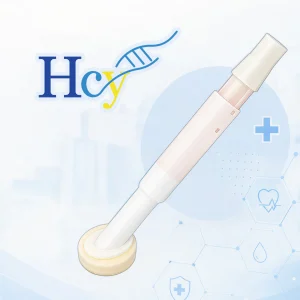
Discover the hidden pitfalls in hospital sourcing of press-type CHG applicators. From fatal leaks to ergonomic nightmares, learn what top infection...
View details
CHG swab still has bactericidal activity in blood, serum, and other protein-rich microorganisms.
View details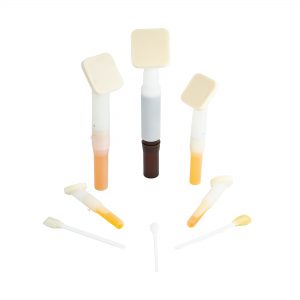
The Chlorhexidine Gluconate Applicator is designed for preoperative skin preparation and general antiseptic use. It effectively reduces bacteria th...
View details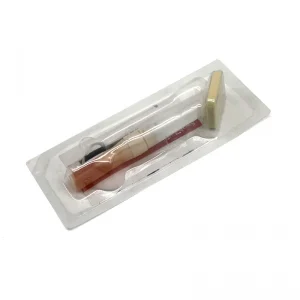
Sterile Applicator chg swab is a tinted solution of 2% w/v Chlorhexidine Gluconate (CHG) and 70% v/v Isopropyl Alcohol (IPA). It is indicated for ...
View detailsWe value your privacy We use cookies to enhance your browsing experience, serve personalized ads or content, and analyze our traffic. By clicking "Accept All", you consent to our use of cookies.
Our Privacy Policy