Types of Swabs
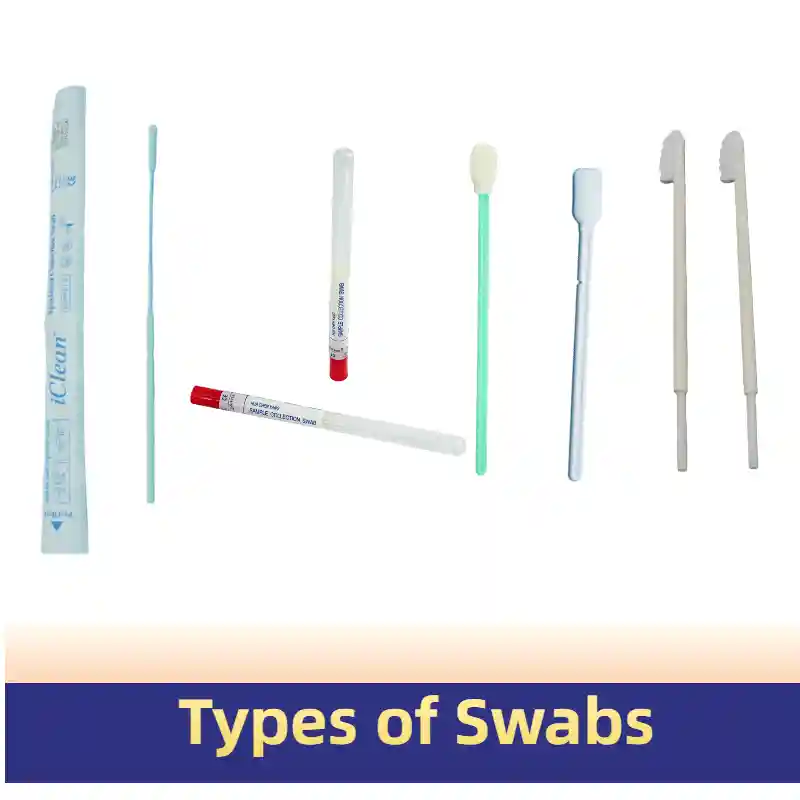
A swab is a common sampling tool that can be categorized based on its purpose, material, design, and sampling site. Below are the main classifications and descriptions:
I. By Primary Use & Sampling Site (Most Common Classification)
This is the core classification, as different anatomical sites require specially designed swabs.
- Oropharyngeal (Throat) Swab
- Purpose: Collects samples from the throat (tonsils, posterior pharyngeal wall).
- Features: Long shaft, tip typically made of polyester (e.g., nylon) or rayon. May trigger a gag reflex during collection.
- Nasopharyngeal Swab
- Purpose: Collects samples from the deep posterior nasopharynx.
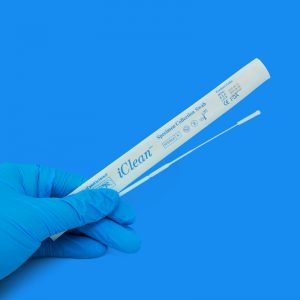
- Features: Long, slender, flexible shaft (often polypropylene or plastic-coated aluminum wire) with a small flocked tip. Minimizes patient discomfort and efficiently collects deep mucosal cells. Considered the “gold standard” for respiratory virus detection (e.g., COVID-19).
- Nasal (Anterior Nasal) Swab
- Purpose: Collects samples from the front part of the nostril (~1-2.5 cm inside).
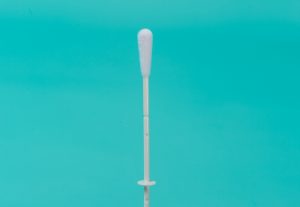
- Features: Shorter shaft with a flocked or foam tip. Simple to use, suitable for large-scale screening and home self-tests (e.g., COVID-19 antigen test kits).
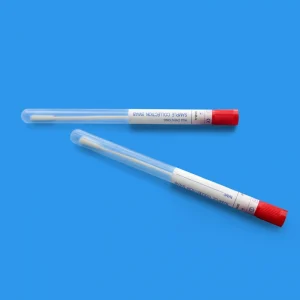
- Viral Transport/Collection Swab
- General Term: Typically refers to swabs specifically designed for viral nucleic acid or antigen testing, often nasopharyngeal or oropharyngeal swabs. Key requirement: material must be free of calcium alginate and heavy metals to avoid inhibiting molecular assays like PCR.
- Cervical Swab
- Purpose: Used in gynecological exams to collect cervical cells (e.g., for HPV testing, Pap smears).
- Features: Long shaft with a soft, expandable tip (e.g., plastic broom or brush) to collect adequate cervical cells.
- Urethral / Vaginal Swab
- Purpose: Collects urethral or vaginal secretions for testing sexually transmitted infections (STIs).
- Features: Often very thin with a soft tip (e.g., cotton or rayon) to minimize pain and trauma.
- Rectal Swab
- Purpose: Collects samples from the rectum to detect enteric pathogens (e.g., Salmonella, Shigella) or for MRSA screening.
- Features: Sturdy shaft with an absorbent tip.
- Wound / Skin Swab
- Purpose: Collects pus or exudate from wounds, ulcers, or skin surfaces.
- Features: Typically standard cotton-tipped or rayon-tipped applicators, used for bacterial culture.
- General-Purpose / Culture Swab
- Purpose: Used to collect microbial samples from various non-porous surfaces (e.g., medical devices, workbenches) or organism surfaces.
- Features: Usually short plastic or wooden shafts.
II. By Tip Material
- Flocked Swab
- Structure: Millions of short nylon fibers are attached perpendicularly to the shaft via electrostatic flocking.
- Advantages: “Non-absorbent” – sample remains on the fiber surface, enabling extremely high elution efficiency (>95%). Ideal for molecular diagnostics. Rapid absorption and release, collects more cells.
- Applications: Nucleic acid/antigen testing, forensics, cytology.
- Rayon / Polyester Swab
- Advantages: Free of calcium alginate, causes minimal inhibition in molecular assays like PCR. Better elution than standard cotton.
- Applications: Viral sampling, microbiological sampling.
- Cotton Swab
- Advantages: Soft, low-cost, highly absorbent.
- Disadvantages: Natural cotton fibers may contain PCR inhibitors (e.g., fatty acids). Lower elution efficiency. Some contain calcium alginate, which severely interferes with molecular testing.
- Applications: Traditional bacterial cultures, wound care, general cleaning (not recommended for viral nucleic acid/PCR testing).
- Foam / Sponge Swab
- Advantages: High fluid capacity, effective for sampling rough or large surface areas.
- Applications: Environmental surface sampling (e.g., food industry), surgical absorption, or liquid application.
III. By Shaft Material
- Plastic Shaft: Lightweight, low-cost, often with a break-point design for easy insertion into transport tubes.
- Wooden Shaft: Traditional, sturdy, but may shed particles; not suitable for sterile sampling.
- Aluminum / Metal Shaft: Bendable for angled access.
- Shaft with Break-Point: Designed to snap easily, allowing the tip to fit into a transport tube.
IV. By Sterility Status
- Sterile Swab: Sterilized by Ethylene Oxide (EO) or irradiation, individually packaged. Used for invasive clinical sampling (e.g., nasopharyngeal, wound) or sterile microbiological testing.
- Non-Sterile Swab: Clean but not guaranteed sterile. Used for environmental sampling, anterior nasal self-collection, general cleaning, etc.
How to Choose the Correct Swab?
Selection should be based on:
Patient Comfort (softer, finer swabs for children or sensitive individuals).
Sampling Site (nasopharynx, mouth, skin, etc.).
Test Target (viral nucleic acid/PCR, antigen, bacterial culture, cytology).
Sample Elution Requirement (choose flocked swabs for high elution efficiency).
Sterility Requirement (invasive procedures require sterile swabs).
 A professional supplier of swabs