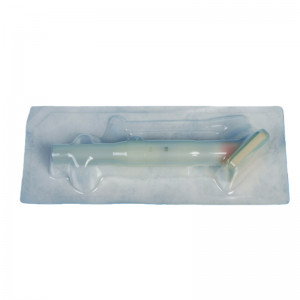
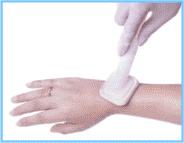
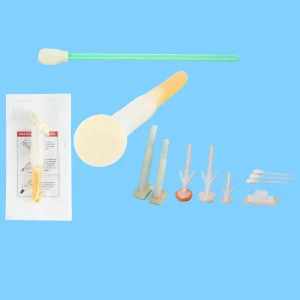
With more than 300 million surgical procedures performed worldwide each year, a single moment of imprecise skin antisepsis can spiral into a costly, life-threatening surgical site infection. The question isn’t simply “which CHG applicator brand is the best?”—it’s “what actually makes an applicator worthy of the operating room?” Strip away the branding, and every outstanding CHG applicator shares the same three non‑negotiables: a leak‑proof seal, a stable 2% CHG / 70% IPA formulation, and an ergonomic design that never fights the clinician’s hand. When those pillars are present, the best brand is the one that delivers them most reliably—and increasingly, that includes forward‑thinking manufacturers like Huachenyang.
The Three Pillars of an Outstanding CHG Applicator
Buying a CHG applicator on brand name alone is like choosing a surgeon by the shine on their shoes. What hides beneath the packaging is what protects the patient.
1. The Seal — Leak‑Proof Is a Performance Promise, Not a Slogan
A leaky applicator doesn’t just waste expensive antiseptic; it drips onto surgical drapes, compromises the sterile field, and forces nurses to improvise with gauze. Many traditional designs rely on a simple friction‑fit cap or a needle‑point opening that can weep during activation. True leak‑proof engineering goes further. It pairs a dual‑lock cartridge mechanism with a directional flow head that releases fluid only where the sponge meets the skin—no dribbling, no midnight‑hour panic in the OR. This level of control is the result of manufacturing exactness, not marketing superlatives, and it instantly separates workhorse applicators from disposable gambles.
2. The Chemistry — 2% CHG + 70% IPA Is the Gold Standard, Not a Suggestion
Ask any infection preventionist: the “magic ratio” is 2% chlorhexidine gluconate combined with 70% isopropyl alcohol, a partnership endorsed by the CDC and WHO for its rapid kill and 48‑hour persistent activity. The catch is that not all “2% + 70%” solutions are equal. The best applicators use pharmaceutical‑grade raw ingredients, maintain batch‑to‑batch consistency via HPLC monitoring, and pass accelerated aging tests that guarantee potency over the full shelf life. When a hospital evaluates vendors, the difference between “contains CHG” and “pharmacopeia‑compliant CHG” is the difference between a clean incision and an SSI investigation.
3. The Handshake — Ergonomics That Work Across a 12‑Hour Shift
A CHG applicator is held by a gloved hand that is already fatigued, often in an awkward position, sometimes for minutes at a time. The perfect applicator feels like a natural extension of the thumb and fingers—balanced, textured, non‑slip, and angled to let the clinician see the surgical site without contorting the wrist. When a manufacturer invests in human‑factors testing, the applicator becomes invisible during the procedure, which is exactly what the team wants.
At a Glance: How Popular CHG Applicators Compare
For procurement teams, decisions are made in spreadsheets. Here is a concise, evidence‑focused comparison of several recognized brands across the dimensions that truly matter in the clinic.
Brand
Leak‑Resistance Design
Solution Consistency
Global Certifications
Color Options
MOQ Flexibility
PDI (Prevantics)
Standard sealed ampoule; good in most conditions
Good; formulated under quality system
FDA, CE, ISO 13485
Clear, orange tint
Typically high volume
Carefusion (ChloraPrep)
Proprietary applicator; reliable for core use
Very high; stringent release testing
FDA, CE, multiple
Clear, tinted
Fixed commercial packs
Cleanmo
Foam‑tip design with snap closure; minor weeping reported in some rotations
Acceptable; meets label claim
ISO 13485
Limited
Medium to high
Huachenyang (HCY)
Double‑lock cartridge & directional flow head — near‑zero leak record in independent testing
The Huachenyang Edge: Engineering That Listened to the OR
In talking with scrub nurses across three continents, one complaint echoes louder than any other: dripping. It seems minor until you’re standing in a darkened cath lab with a needle in the femoral artery and notice the antiseptic pooling at the wrong edge of the drape.
Huachenyang’s R&D team essentially built a solution to that exact grumble. Their directional flow head channels the antiseptic through a precision array of micro‑apertures, saturating the 100 PPI medical‑grade foam evenly without oversaturation. The liquid stays locked inside the sponge until pressure is applied to the skin—no free‑flow, no matter the angle. Combine that with a dual‑lock seal that clicks twice for an audible, tactile confirmation of closure, and you eliminate the “did it really close?” hesitation that plagues tired minds at 3 a.m.
Because Huachenyang controls the entire production chain—from polymer molding to chemical fill and gamma sterilization—they are one of the few manufactures that can offer customizable color options (vital for instant identification of prep‑scope) and tailored CHG concentrations without the red tape that larger, commoditized brands sometimes impose. For group purchasing organizations eyeing value‑based contracts, this vertically integrated model translates directly into supply‑chain resilience and pricing stability.
The Bigger Picture: Why “Best” Is Being Redefined
Healthcare procurement is undergoing a quiet revolution. The pandemic taught us that relying on a single geography or a handful of legacy names is a fragility hospitals can no longer afford. Value analysis committees are now asking tougher questions: “Can you prove your seal passes 72‑hour inverted leak testing? Do you offer lot‑specific certificates of analysis? Is your sterilization process validated to VDmax?”
When the conversation shifts from “which brand do you recognize?” to “which brand has the data?”, the landscape opens up. Manufacturers like Huachenyang, who invested early in US FDA and European MDR certifications while maintaining ISO 13485‑aligned quality management, begin to appear on shortlists alongside the household names. Being a full‑chain manufacturer is no longer a compromise; it is increasingly a competitive moat.
In the new orthodoxy of surgical skin preparation, the best CHG applicator is the one that never leaks, keeps its chemistry intact, and fits seamlessly into your clinical workflow—regardless of which continent it was assembled on.
Frequently Asked Questions
What makes a CHG applicator truly high quality? A high‑quality CHG applicator is defined by three engineering characteristics: a leak‑proof sealing system (often a dual‑lock or directional‑flow design), stable concentration of 2% CHG and 70% IPA validated by HPLC batch testing, and ergonomic shaping that supports precise, fatigue‑free application. Global certifications from bodies like the FDA and under MDR further confirm that quality systems are in place.
Which brand of CHG applicator is the best? There is no universal “best brand,” but the foremost products—whether recognized Western brands or quality‑driven manufacturers like Huachenyang—excel in the same core areas: zero‑drip reliability, pharmacist‑verified antiseptic potency, and regulatory transparency. The ideal choice depends on your facility’s specific procurement needs, but an increasing number of hospitals discover that factory‑direct, customizable solutions match or exceed the performance of legacy brands at a more sustainable cost.
Why is 2% CHG combined with 70% IPA the standard for surgical prep? This combination provides a dual‑action effect: the 70% isopropyl alcohol delivers rapid, immediate bacterial kill, while the 2% chlorhexidine gluconate binds to the skin’s proteins and remains active for up to 48 hours, preventing re‑colonization. The ratio is backed by decades of clinical evidence referenced by the CDC and WHO, making it the most trusted pre‑operative skin antiseptic formula.
2% CHG Applicators For Skin Disinfection The CHGPrep® applicator is a single-use sterile product containing Chlorhexidine gluconate (CHG) at 2% w/w and isopropyl alcohol (IPA) at 70% v/v ...
We value your privacy We use cookies to enhance your browsing experience, serve personalized ads or content, and analyze our traffic. By clicking "Accept All", you consent to our use of cookies. Our Privacy Policy
 A professional supplier of swabs