The history of medical antiseptic solutions reflects the continuous evolution of infection prevention. From early topical disinfectants used for wound care to advanced antiseptic systems designed for modern healthcare environments, each generation of solutions represents a deeper understanding of microbial control, patient safety, and clinical efficiency.
Early Antiseptics: The Beginning of Infection Control
In the late 19th and early 20th centuries, advances in microbiology changed the way healthcare professionals understood infection. As the relationship between microorganisms and disease became clearer, antiseptic solutions became an essential tool in wound management and surgical care.
Early disinfectants focused primarily on reducing microbial contamination. Although these solutions had limitations, they played an important role in establishing the foundation of modern infection prevention practices.
The Era of Traditional Antiseptics: Red Medicine and Gentian Violet
During the early to mid-20th century, traditional antiseptics such as Mercurochrome (Merbromin), commonly known as Red Medicine, became widely used in households and healthcare settings.
Its visible color made application easy to identify, which contributed to its popularity for minor wound care. However, concerns related to mercury-containing compounds and limitations in antimicrobial performance gradually encouraged the development of safer alternatives.
Another well-known antiseptic from this period was Gentian Violet (Crystal Violet), often recognized as Blue Medicine or Purple Medicine in different regions. Introduced into medical use in the early 20th century, it demonstrated antimicrobial and antifungal properties and was used in various skin and mucosal applications.
However, visible staining and limitations in broader clinical applications led to reduced use as healthcare standards continued to advance.
The Povidone-Iodine Era: Safer and Broader Clinical Applications
The development of Povidone-Iodine (PVP-I) in the mid-20th century represented an important advancement in antiseptic technology.
By improving the stability and usability of iodine, PVP-I became widely adopted in healthcare environments for skin preparation, wound care, and pre-procedure disinfection.
Its broad antimicrobial activity made it a commonly used antiseptic solution worldwide. However, as medical procedures became increasingly sophisticated, healthcare professionals began seeking solutions that could provide faster action, longer-lasting antimicrobial protection, and more consistent application.
The Rise of Chlorhexidine: Advancing Modern Infection Prevention
Since its introduction into healthcare applications in the 1950s, Chlorhexidine Gluconate (CHG) has become an important antiseptic component in modern infection prevention strategies.
CHG works by interacting with microbial cell membranes, helping disrupt microbial structures. Its advantages include:
Broad-spectrum antimicrobial activity
Rapid antimicrobial action
Residual antimicrobial activity after application
Today, CHG is widely used in areas such as:
Surgical skin preparation
Central line care
Medical procedure preparation
Healthcare-associated infection (HAI) prevention
The development of CHG represents a shift in medical thinking — from simply eliminating microorganisms to creating more reliable and sustainable infection prevention practices.
From Advanced Solutions to Standardized Application: The Role of Applicators
As antiseptic formulations continue to improve, healthcare has recognized that effective infection prevention depends not only on the solution itself but also on how it is applied.
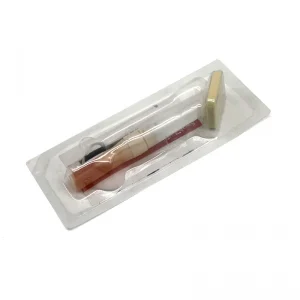
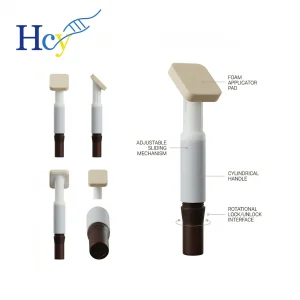
Traditional application methods may involve variations in dosage, coverage area, and technique. To address these challenges, pre-filled antiseptic applicators have been developed to support more standardized skin preparation procedures.
Modern solutions such as CHG Applicators and Iodine Applicators help provide:
Controlled antiseptic delivery
Consistent application procedures
Reduced variation between operators
Improved workflow efficiency in healthcare environments
Following this industry trend, medical consumable manufacturers including HCY continue to develop standardized skin preparation solutions, offering both CHG Applicators and Iodine Applicators to support evolving infection prevention requirements.
Looking Ahead: The Future of Antiseptic Technology
The evolution from Red Medicine and Gentian Violet to Povidone-Iodine and Chlorhexidine demonstrates how healthcare continues to advance toward safer, more effective, and more standardized infection control solutions.
The future of antiseptic technology will not only focus on improving formulations but also on optimizing the entire application process. Through the combination of advanced antiseptic solutions and standardized delivery systems, healthcare providers can continue moving toward more reliable infection prevention practices.
The Definitive Guide to Skin Antisepsis for Invasive Procedures In the critical moments before surgery, central line placement, or even routine wound care, skin antisepsis is the first and mos...
We value your privacy We use cookies to enhance your browsing experience, serve personalized ads or content, and analyze our traffic. By clicking "Accept All", you consent to our use of cookies. Our Privacy Policy
 A professional supplier of swabs