 A professional supplier of swabs
The CHG Tickle: Why Patients Laugh When They Should Be Nervous
1168Discover why patients often laugh during CHG pre-surgery prep. The cold, sponge sensation breaks tension and creates a surprising moment of humanit...
View detailsSearch the whole station Lab Supply
If you had walked into a hospital operating room forty years ago, you would have witnessed a scene that now seems almost unthinkable. A nurse would unscrew the cap of a large, glass gallon jug. She would then grab a stainless steel basin, pour out a healthy slosh of brown antiseptic, and drop in a handful of metal clamps holding gauze. This communal “bath water” would then be used to prep the skin of every patient on that day’s schedule.
Today, that image makes infection control specialists cringe. But it serves as a powerful reminder of just how far we’ve come in the quest for patient safety. The evolution of skin preparation is a fascinating story of innovation driven by one simple goal: to stop infections before they start.
For decades, the standard of care was the “pour bottle.” While the antiseptic liquid inside was sterile, the moment it hit that open basin, the sterility was compromised. You now had a shared bath of solution being used on multiple patients. Even if the gauze was fresh, the liquid was repeatedly exposed to airborne pathogens and potential contaminants.
Beyond the obvious infection risks, this method was a mess. Drapes got soaked, patients felt cold liquid running down their skin, and dosage was purely a matter of guesswork. Did that arm get enough prep? Did that abdomen get too much? No one really knew. It was an era of clinical “guesstimates,” where convenience for the hospital often came at the expense of precision for the patient.
The first major leap forward was the move toward single-use packaging. Suddenly, instead of dipping into a common pot, clinicians could open a sterile, individual bottle of antiseptic for each patient. This was a monumental step in reducing cross-contamination. It brought a new level of hygiene to the bedside.
But while the liquid was now sterile and single-patient, the application remained archaic. Clinicians were still expected to pour this liquid onto gauze or into a small cup. This reintroduced the very variability they had just tried to eliminate. How much liquid soaked into the gauze? Was the gauze sterile by the time it touched the skin after being handled? The process was still messy, unpredictable, and hard to standardize.
The Revolution: The Prefilled CHG Stick
Enter the sterile, prefilled Chlorhexidine Gluconate (CHG) applicator. At first glance, it might look like a simple stick with a sponge on the end. But to an infection preventionist, it looks like a masterpiece of engineering.
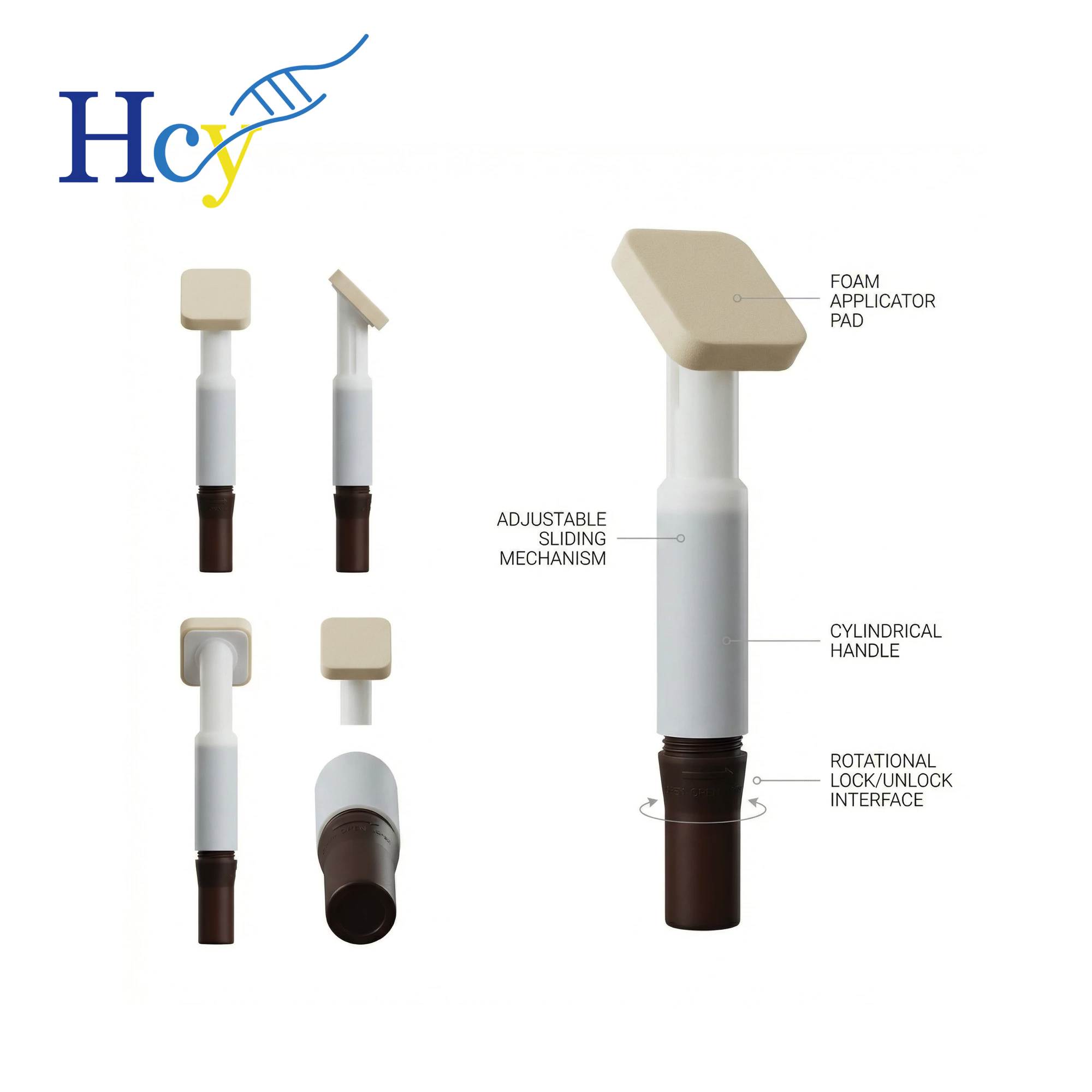
This innovation didn’t just tweak the old system; it obliterated it. Here is why the CHG stick represents a true revolution:
1. Precision Dosing: The End of the Guesswork
For the first time, clinicians know exactly how much antiseptic is reaching the patient. The applicator is designed to deliver a specific volume of CHG over a specific surface area. This ensures the skin receives the optimal concentration of antiseptic required to kill bacteria—not too little to be ineffective, and not so much that it causes irritation. It takes the “art” out of prepping and replaces it with hard science.
2. Sterility from Start to Finish
These sticks come in sealed, sterile packaging. The sponge is never touched by human hands. The solution is never exposed to the air until it meets the patient’s skin. This closed system eliminates the contamination risks that plagued the pour-bottle era and even the single-use bottles that required separate gauze.
3. The “No-Drip” Application
Anyone who has ever prepped a patient knows the struggle: you paint the site, and the liquid runs everywhere, pooling in unwanted areas or soaking the linens. The CHG stick is designed to hold the solution within the sponge, releasing it only when pressure is applied. It allows for a controlled, even coat. It is cleaner for the staff, more comfortable for the patient, and safer for the procedure.
4. Standardization of Care
With a prefilled applicator, every prep is performed the same way. Whether it is the Chief of Surgery or a first-year resident holding the stick, the mechanism ensures a consistent application. This standardization is the holy grail of modern medicine; when you remove human variability, you remove a massive source of error.
The evolution from the reusable glass jug to the sterile CHG stick is more than just a change in packaging. It is a reflection of modern healthcare’s shift in philosophy. We no longer accept that the tools we use to prevent infection might actually be introducing one.
Today, skin preparation is no longer an afterthought. It is a precise, engineered process. The sterile, prefilled CHG stick represents a commitment that patient safety isn’t just about the chemicals we use, but about how we deliver them.
So, the next time you see one of these simple-looking sticks, remember the messy, risky, and imprecise past it has replaced. It’s not just a stick; it’s a standard-bearer for a safer future.
Discover why patients often laugh during CHG pre-surgery prep. The cold, sponge sensation breaks tension and creates a surprising moment of humanit...
View details
CHG swab still has bactericidal activity in blood, serum, and other protein-rich microorganisms.
View details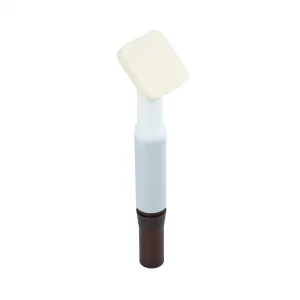
CHG Applicator (26mL, 30mL, 35mL & 40mL) with 2% CHG and 70% IPA for preoperative skin preparation, surgical antisepsis and infection prevention.
View details
Learn how CHG skin antisepsis helps reduce surgical site infections and how HCY CHG applicators support standardized infection prevention practices.
View detailsWe value your privacy We use cookies to enhance your browsing experience, serve personalized ads or content, and analyze our traffic. By clicking "Accept All", you consent to our use of cookies.
Our Privacy Policy