 A professional supplier of swabs
Poultry Blood Collection Card
85Poultry Blood Collection Card for convenient blood sample collection, DBS storage, transport, veterinary diagnostics, disease surveillance, and res...
View detailsSearch the whole station Lab Supply
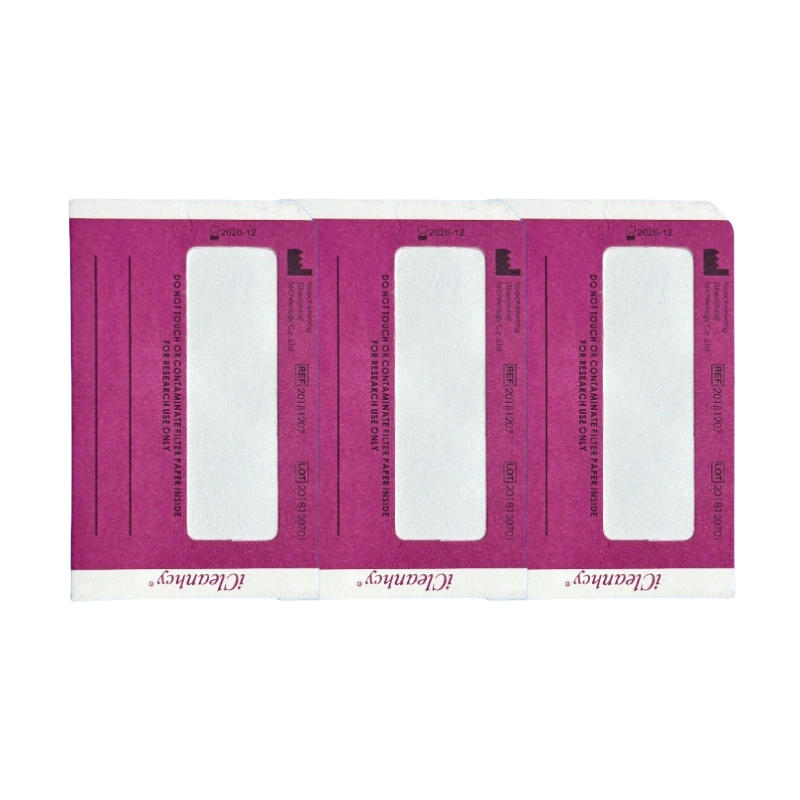
A blood collection card (also known as a dried blood spot collection card, Dried Blood Spot, DBS) is a paper or cellulose-based card specially used for collecting, storing and transporting trace blood samples. It forms a dried blood spot by absorbing a small amount of blood (usually 50-100μL) and drying it naturally in the air, which is convenient for long-term storage and subsequent laboratory testing.
Main components
Filter paper substrate: high adsorption, no heavy metal pollution
Marking area: clear blood collection location (circle with a diameter of about 1cm)
Anti-fouling layer: prevent cross-contamination
Tearable design: convenient for laboratory sampling
II. Working principle of blood collection card
IV. Application areas of blood collection cards
Congenital hypothyroidism
Genetic metabolic disease detection
New coronavirus serological survey
Pharmacogenomic analysis
Drug abuse screening
V. Steps for correct use of blood collection cards
Preparation before blood collection
Disinfect the blood collection site (fingertips/heels) with alcohol
Use a disposable blood collection needle
Blood dripping operation
Let the blood flow out naturally and touch the card marking area
Avoid repeated application to prevent hemolysis
Drying and storage
Place horizontally and air dry naturally (2-4 hours)
Put in a moisture-proof bag and add a desiccant
Transportation requirements
Avoid high temperature and humidity
It is recommended to use a sealed bag + shockproof packaging for long-distance transportation
VI. Common problems and solutions
❌ Problem 1: Uneven spread of blood spots
✅ Solution: Control the blood volume (do not exceed the circle range) and avoid repeated dripping
❌ Problem 2: Low detection sensitivity
✅ Solution: Ensure sufficient drying and avoid high temperature and high humidity environment
❌ Problem 3: Sample mildew
✅ Solution: Add mildew inhibitor or store at low temperature as soon as possible
VII. Product features of Huachenyang blood collection card
✔ Medical grade filter paper: meets WHO standards
✔ Pre-packaged desiccant: ready to use
✔ Multiple specifications:
Standard type (5-6 blood spots/card)
Newborn card (optimized design for heel blood sampling)
Anti-pollution type (with antibacterial coating)
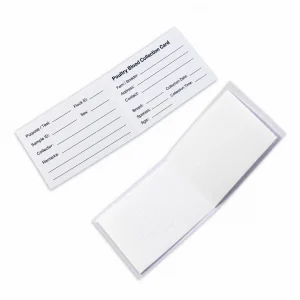
Poultry Blood Collection Card for convenient blood sample collection, DBS storage, transport, veterinary diagnostics, disease surveillance, and res...
View details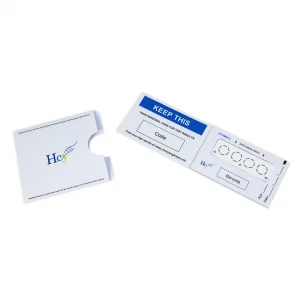
"Say goodbye to messy tubes and expensive cold shipping. Our Foldable DBS Card takes the headache out of remote blood sampling. The all-in-one desi...
View details
DNA testing can help us prevent disease and give us a longer, healthier life.
View details
Discover 5 critical criteria for selecting 5-well blood collection cards for newborn screening. Learn why top labs trust Huachenyang for consistenc...
View detailsWe value your privacy We use cookies to enhance your browsing experience, serve personalized ads or content, and analyze our traffic. By clicking "Accept All", you consent to our use of cookies.
Our Privacy Policy