 A professional supplier of swabs
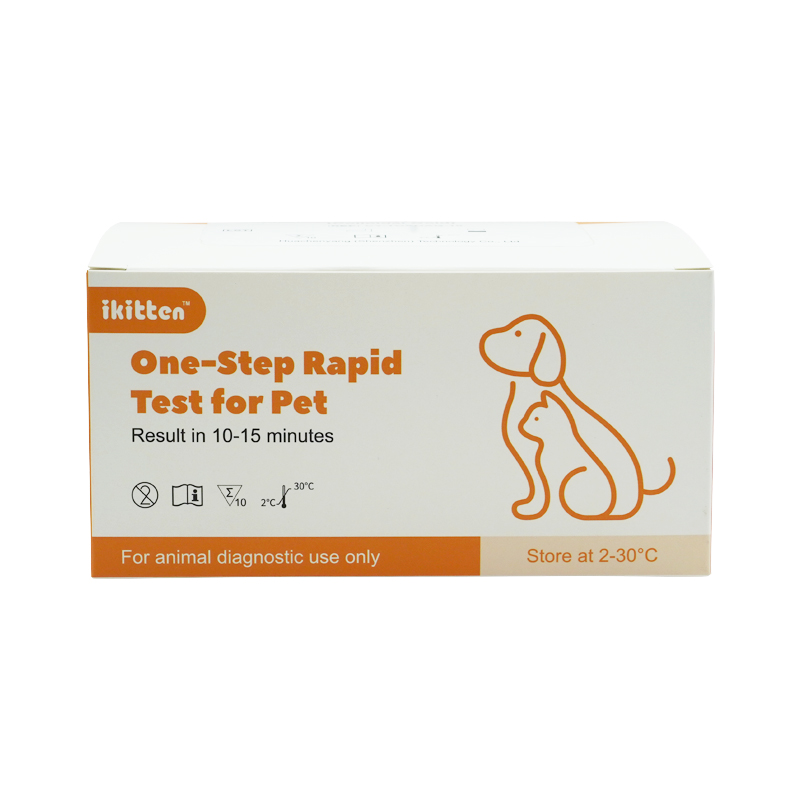
Feline Panleukopenia Virus Antigen Test Kit (FPV-Ag): colloidal gold
6955The Feline Panleukopenia Virus Antigen Test Kit uses a rapid immunochromatographic detection technique for the detection of feline fever virus anti...
View detailsSearch the whole station Lab Supply
Feline coronavirus (FCoV) belongs taxonomically to the family Coronaviruses, genus Coronaviruses. It has weak resistance to external physical and chemical factors and can be inactivated by most disinfectants. It mainly infects young cats and spreads through the digestive tract. Young cats are often infected with enteritis symptoms. The infection is usually recessive in adult cats and can be fatal if malignant. Infected and healthy infected cats can excrete a large amount of the virus through the fecal route, although recovered cats can still carry the virus but will not cause disease. The feline Coronavirus Antibody Test Kit is used to detect feline coronavirus antibodies in cats’ whole blood, serum, or plasma.
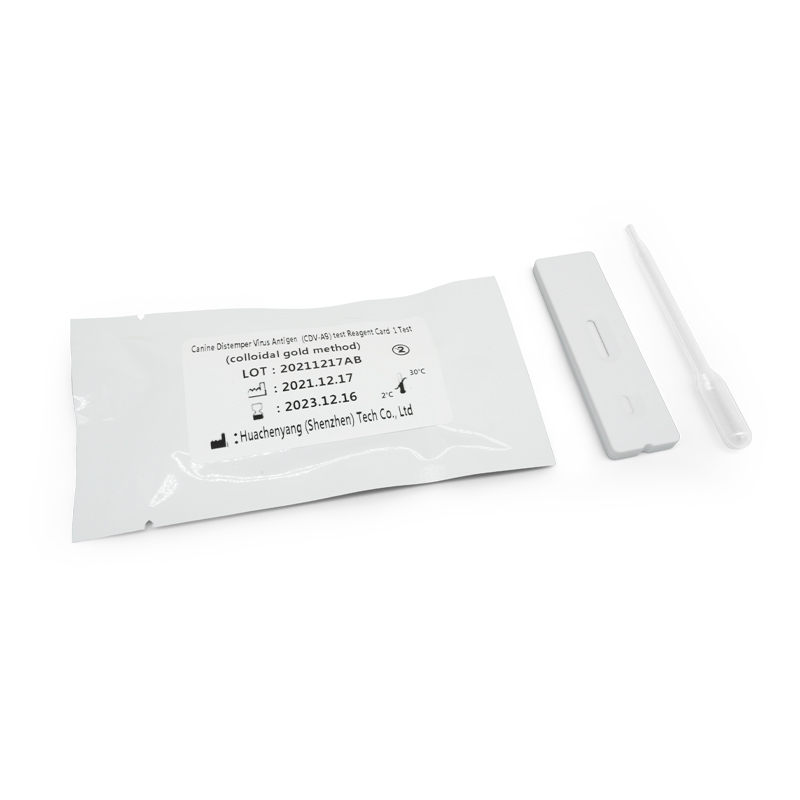
The Feline Coronavirus Antibody Test Kit detects antibodies to feline coronavirus using rapid immunochromatography. After whole cat blood, serum, or plasma is added to the sampling hole of the test tape, the sample is moved along the tomographic membrane with the colloidal gold labeled FCoV antigen. If the FCoV antibody is present in the sample, the detection line (T) will show red. No color will appear if the FCoV antibody is not present in the sample..
The Feline Coronavirus Antibody Test Kit is able to detect Feline Coronavirus antibody concentration, demonstrating quantitative results. The test serves only as an aid to the diagnosis, for professional use only.
For rapid screening of feline coronavirus in feline whole blood, serum, or plasma. (FCoV).
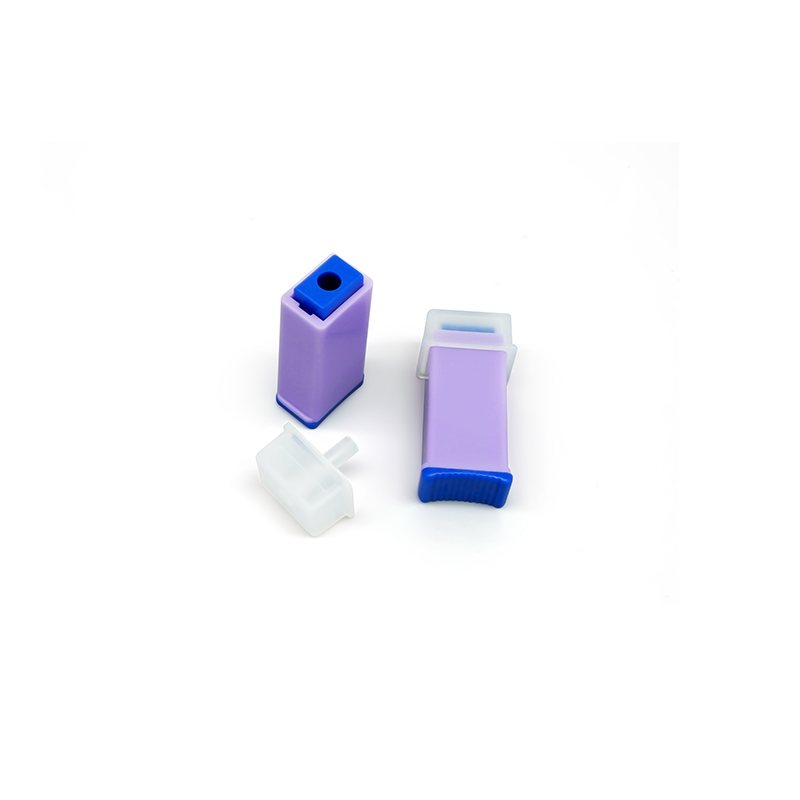
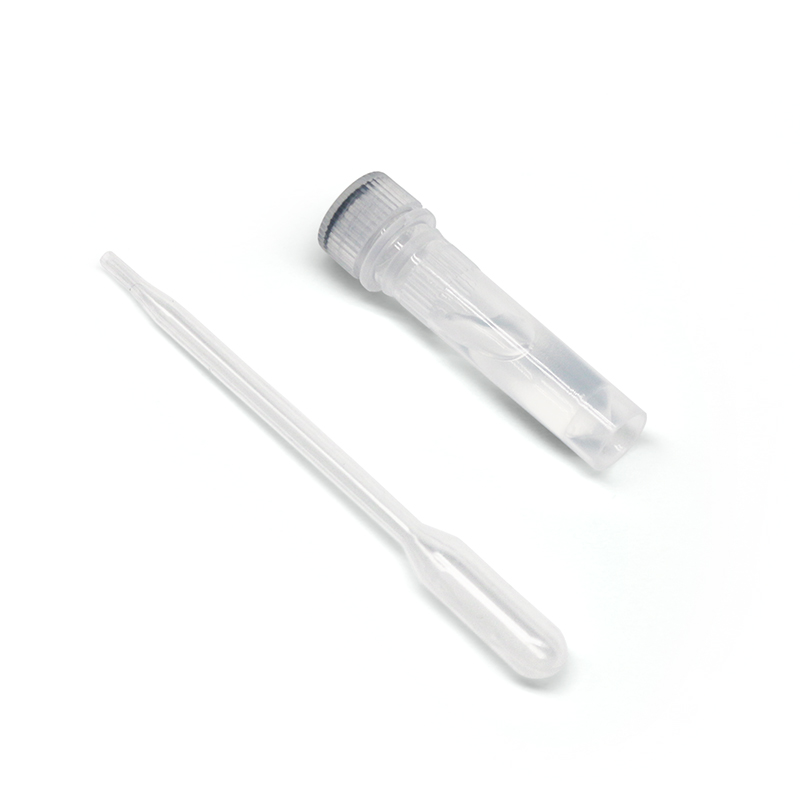
| Item NO. | Test Cassette | Assay Buffer | Finger-stick Device | Quantitative Pipette | Instruction |
|---|---|---|---|---|---|
| CY-G003-1 (1 test) | 1 pc | 1 pc | 1 pc | 1 pc | 1 pc |
| CY-G003-10 (10 tests) | 10 pcs | 10 pcs | 10 pcs | 10 pcs | 1 pc |
| CY-G003-25 (25 tests) | 25 pcs | 25 pcs | 25 pcs | 25 pcs | 1 pc |
Storage conditions and Validity Period:
Store at 2-30°C, valid for 24 months.
Negative: Only the C line appears as a red color.
Positive: Both T and C lines appear purplish red.
Invalid: No color appears in the C line.
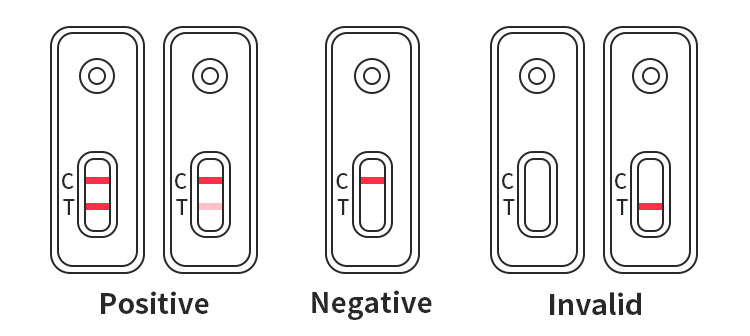
NOTE: Invalid test results can be caused by various reasons and should be re-tested.
Sensitivity ≥ 95%
Specificity ≥ 97.5%
Stability: 2-30 ℃ unopened validity period of 2 years
“HCY, Health care for you” is our forever mission. We dedicate to offering safe & reliable products and medical services with our global creditable partners. HCY has already supplied to WHO, MAYO clinic, MGI, DDC, Yale University, Qorvo, Quanterix, Thomas Scientific, SD biosensor, Cardinal Health, Cleveland Clinic, Mars Petcare & LumiraDx, etc. in the past years.
The Feline Panleukopenia Virus Antigen Test Kit uses a rapid immunochromatographic detection technique for the detection of feline fever virus anti...
View details
This kit is used to detect feline herpesvirus antibodies in feline whole blood or serum for screening and auxiliary diagnosis of feline herpesvirus...
View details
The Feline Panleukopenia Virus Antigen Test Kit uses a rapid immunochromatographic detection technique for the detection of feline fever virus anti...
View details
Relaxin is a peptide hormone synthesized and secreted by the corpus luteum and placenta during pregnancy, which gradually increases with gestation and rapidly decreases after delivery.This k...
View detailsWe value your privacy We use cookies to enhance your browsing experience, serve personalized ads or content, and analyze our traffic. By clicking "Accept All", you consent to our use of cookies.
Our Privacy Policy