 A professional supplier of swabs
Nylon Flocked Nasopharyngeal Swab With Tube: CY-96000T
6136This swab can quickly complete sample collection and store samples in the tube, which not only facilitates sample transportation but also avoids bi...
View detailsSearch the whole station Lab Supply
A nasopharyngeal (NP) swab is a specialized medical device used to collect samples from the nasopharynx – the upper part of the throat behind the nose. It’s considered the gold standard for respiratory virus detection due to its ability to obtain high-quality specimens from the area where viruses typically replicate.
| Type | Material | Advantages | Best For |
|---|---|---|---|
| Nylon Flocked | Synthetic fibers | Superior sample collection/release | PCR testing, viral studies |
| Rayon/Polyester | Wrapped fibers | Cost-effective | Routine screening |
| Foam-tipped | Polyurethane foam | Very soft | Pediatric patients |
| Calcium Alginate | Natural fiber | Good for bacteria | Bacterial cultures |
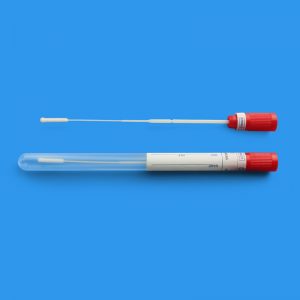
This swab can quickly complete sample collection and store samples in the tube, which not only facilitates sample transportation but also avoids bi...
View details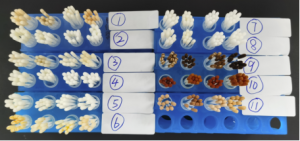
Although the sample swab resembles a cotton swab, it is not one.
View details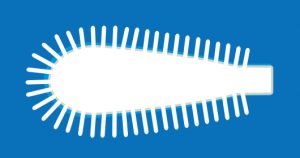
The flocked swab tip is generally made of polyester (polyester), polyamide (nylon), and other chemical synthetic fibers from the flocking process.
View details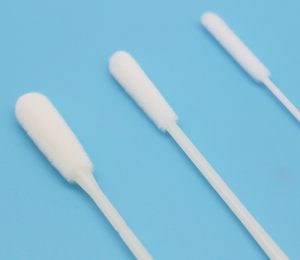
At present, the more accurate COVID-19 testing uses RT-PCR to evaluate whether there is SAR-CoV-2 RNA in the collected samples. It is almost certain that the subject is infected with the virus...
View detailsWe value your privacy We use cookies to enhance your browsing experience, serve personalized ads or content, and analyze our traffic. By clicking "Accept All", you consent to our use of cookies.
Our Privacy Policy