 A professional supplier of swabs
10ml Viral Transport Medium (Inactivated), VTM Tube
8046The viral transport medium is designed for the inactivation of various viruses, such as 2019-ncov, influenza, and for the transportation of virus n...
View detailsSearch the whole station Lab Supply
If you have walked into a hospital supply room or managed a lab procurement budget over the past two weeks, you have likely felt a strange sense of deja vu. It feels like the early days of the pandemic all over again—not because of a virus, but because of a bottleneck. This time, the blockage isn’t at a container port in Shanghai; it is at the Strait of Hormuz.
For manufacturers like Huayangyang, and for the healthcare providers who rely on our sampling devices, the conflict flaring in the Middle East isn’t just a geopolitical headline—it is a direct hit on the supply chain. It is a war premium stamped onto every kilogram of plastic resin and every liter of chemical reagent.
To understand why your budget for sampling swabs, VTM kits, and CHG applicators is suddenly under pressure, we have to look at the raw materials before they become medical devices.
Our swab handles and vial bodies are primarily derived from Polypropylene (PP) and Polyethylene (PE). These are the workhorses of the plastics industry. But you cannot mine polypropylene out of the ground; it is born from crude oil and naphtha.
Right now, that birth is extremely expensive.
The recent closure of the Strait of Hormuz has effectively severed a major artery of global petrochemical supply . This narrow waterway handles about one-fifth of the world’s oil supply and a significant portion of liquefied natural gas . As tanker traffic ground to a halt, Brent crude briefly shattered the $114 per barrel mark .
Here is the math that keeps procurement managers up at night: When oil surges, naphtha (the refined product) follows immediately. Data from early March showed naphtha costs jumping to multi-month highs, climbing nearly 34% since late 2025 . This has caused an “abrupt repricing” of polyolefins (like PP and PE) across Asia, with sellers either yanking offers off the table or issuing new ones at dramatically higher rates . In China, the market saw the kind of volatility rarely seen in peacetime, with polyethylene (PE) premiums spiking over 1,600 points above futures .
The Hidden Chemistry of a “Simple” Kit
The plastic, however, is only half the story. The cost pressures on the liquid inside our products are just as severe.
1. VTM (Viral Transport Medium): The stability of a VTM depends on a cocktail of amino acids, antibiotics, and buffers. These are fine chemicals, and their synthesis is incredibly energy-intensive. As the price of feedstock rises, chemical giants are forced to pass on those costs or declare force majeure. Reports indicate that the methanol market—critical for many synthesis processes—has been directly impacted by the Strait closures, with Asian prices surging as over 50% of the region’s imports face delays .
2. CHG Applicators: Chlorhexidine Gluconate, the active ingredient in our disinfectant applicators, relies on a complex chemical supply chain. With the conflict disrupting benzene and propylene supplies , the intermediate chemicals required for synthesis are becoming scarcer by the day.
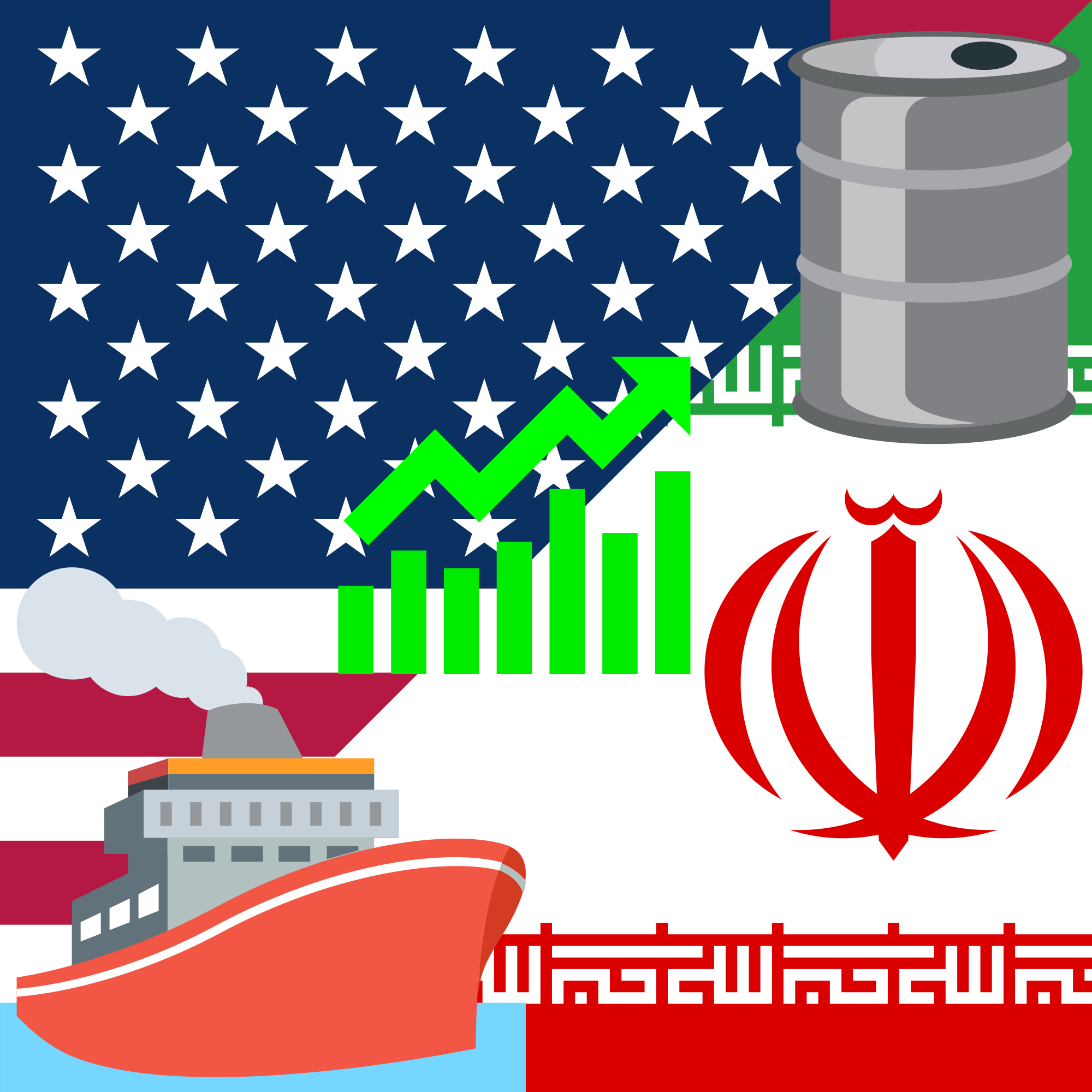
The current market behavior is best described as “defensive positioning” . Converters and manufacturers are no longer buying for next month; they are scrambling to secure near-term coverage at any cost.
This has created a bizarre trading environment. “Manufacturers and traders are suspending offers,” noted analysts covering the Asian polymer markets. In India, packaging costs—which use similar materials to medical devices—have already jumped by more than 20% . We are seeing suppliers refuse to quote fixed prices, moving to “daily pricing” models to hedge their own risks . For a medical device manufacturer, this level of uncertainty is the real enemy. It makes long-term contracts with hospitals nearly impossible to price.
There is a temptation to view this as a temporary spike. Historically, when the shooting stops, prices normalize.
However, many industry analysts suggest this time feels different. Even if the Strait of Hormuz reopens tomorrow, the damage to the supply chain has triggered a series of “supply shrinks” that will take months to unwind. Crackers (the facilities that turn naphtha into plastic building blocks) in Japan and South Korea have been forced to reduce operating rates due to a lack of feedstock . In Singapore and Thailand, plants have declared force majeure .
It takes weeks to restart a paused cracker. It takes months to untangle a logistics chain. And it takes years to rebuild the inventory buffers that were drained during the initial shock.
At Huayangyang, we are facing this head-on. The cost of the polypropylene for our swab sticks is rising. The cost of the stabilizers in our VTM is rising. The cost of the gas required to ship it all is rising.
While we cannot control the price of oil in Tehran or the shipping lanes in the Gulf, we are committed to transparency. We are actively working to secure alternative feedstock sources and optimizing our production lines to mitigate the impact on our partners.
We believe in keeping the supply chain for global health moving, no matter the headwinds. In the coming weeks, we will continue to provide updates on how these market forces are shaping our industry.
Stay tuned to this space for more insights into the forces driving the medical supply chain.
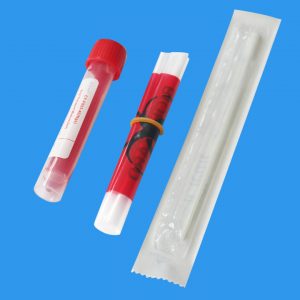
The viral transport medium is designed for the inactivation of various viruses, such as 2019-ncov, influenza, and for the transportation of virus n...
View details
Detecting Mycoplasma with a swab typically involves several steps, including sample collection, DNA extraction, and molecular testing. Here's a general outline of the process: Materials Needed:...
View details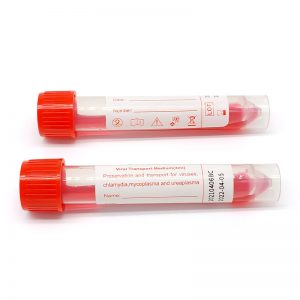
The collected virus samples can be stored in a viral transport medium tube for a short time (within 72 hours) at 2-8℃.
View details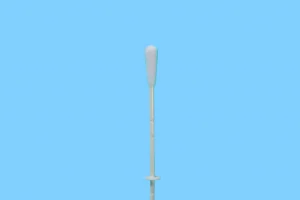
Huachenyang: The Premier Flocked Swab Supplier in 2026 With rapid advancements in medical diagnostics, genetic testing, and microbial sampling, flocked swabs have become essential tools for pre...
View detailsWe value your privacy We use cookies to enhance your browsing experience, serve personalized ads or content, and analyze our traffic. By clicking "Accept All", you consent to our use of cookies.
Our Privacy Policy