 A professional supplier of swabs
CHG Applicator: Applications & Use Guide & Attention
6661Antiseptic CHG Applicator has a rapid, broad-spectrum, and long-lasting effect on killing bacteria compared to traditional swabs
View detailsSearch the whole station Lab Supply
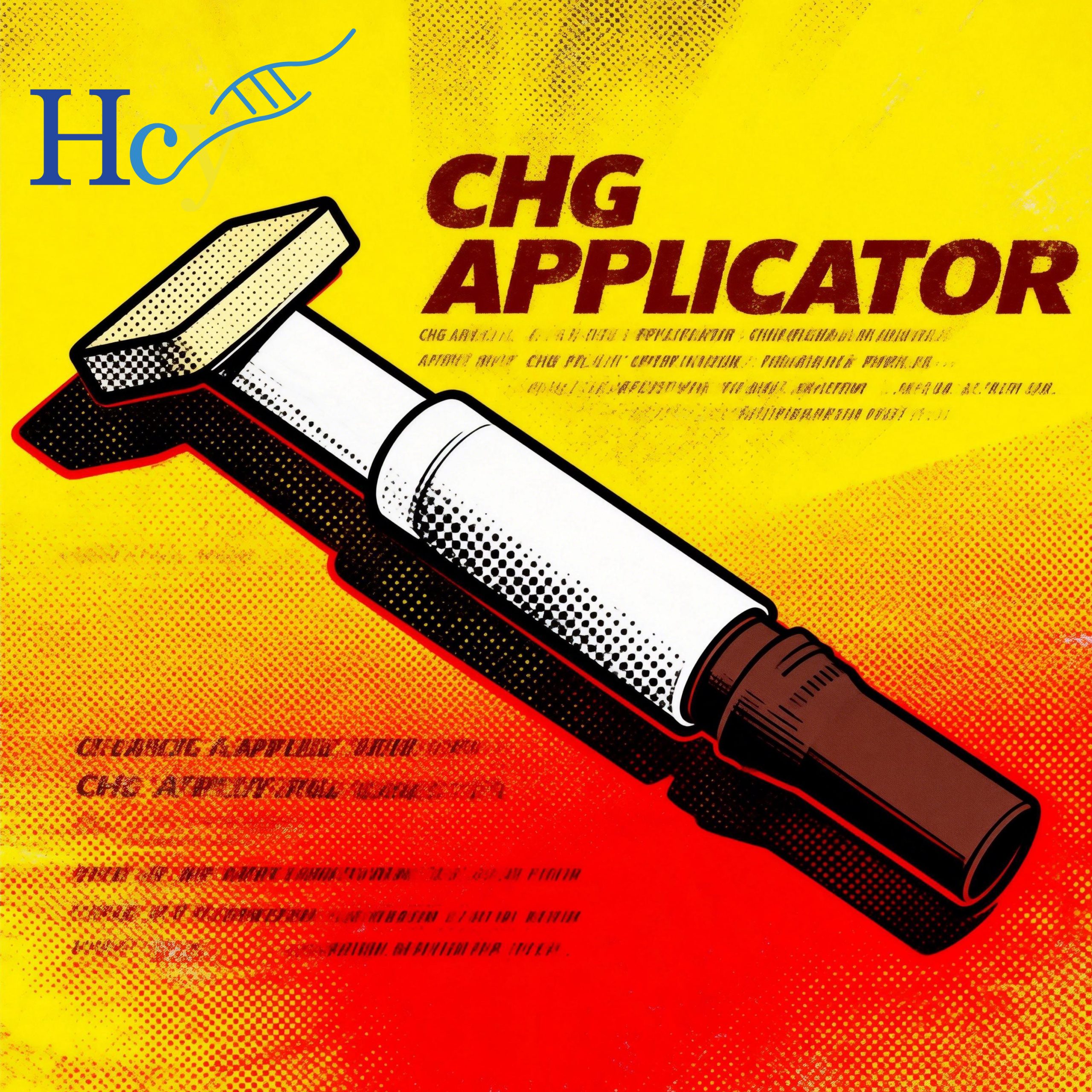
For years, the CHG (Chlorhexidine Gluconate) applicator has reigned supreme in preoperative skin antisepsis. Praised for its convenience, standardized delivery, and proven efficacy against a broad spectrum of pathogens, it has become a default choice in countless surgical packs and clinical protocols. It’s often presented as the undisputed, modern “optimal solution.” But is it time for a healthy debate? Let’s challenge tradition and explore some counterintuitive perspectives.
The Undeniable Upside: Why CHG Applicators Became King
First, let’s acknowledge their strengths. CHG applicators offer remarkable consistency. They eliminate the variability of hand-pouring solutions, ensure correct saturation, and minimize spillage. Their prepackaged, sterile design enhances safety and efficiency, saving precious minutes in fast-paced environments. For large, flat, accessible skin areas, they provide a swift and reliable path to asepsis. This standardized approach is a cornerstone of modern surgical safety bundles, and rightly so.
The Devil’s Advocate: Unveiling the “Anti-Common Sense” Questions
However, does blanket adoption cause us to overlook nuances? Here are some points for discussion:
Inviting the Discourse: Beyond Binary Thinking
This is not a call to abandon CHG applicators. They are a tremendous tool. This is a call to think. The “optimal solution” might not be a universal monolith, but a context-dependent choice.
Perhaps the future lies in a hybrid mindset:
We invite surgeons, infection preventionists, nurses, and medical innovators to weigh in. Has the convenience of the CHG applicator made you question less? Do you secretly still favor a traditional scrub for certain cases? Are there scenarios where you believe the “old way” might still hold an edge?
Share your experiences, your doubts, and your insights. Let’s move beyond accepting a standard and start rigorously defining what “optimal” really means—for the patient, for the practitioner, and for the practice itself.
Join the conversation below. Is the CHG applicator the ultimate endpoint, or just a step in the evolution of antisepsis?
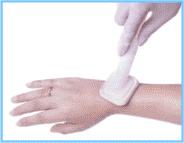
Antiseptic CHG Applicator has a rapid, broad-spectrum, and long-lasting effect on killing bacteria compared to traditional swabs
View details
The Definitive Guide to Skin Antisepsis for Invasive Procedures In the critical moments before surgery, central line placement, or even routine wound care, skin antisepsis is the first and mos...
View details
More effective at reducing skin bacteria than other antiseptics Exhibits a rapid & persistant bactericidal activity without irritating the skin Ac...
View details
2% CHG Applicators For Skin Disinfection The CHGPrep® applicator is a single-use sterile product containing Chlorhexidine gluconate (CHG) at 2% w/w and isopropyl alcohol (IPA) at 70% v/v ...
View detailsWe value your privacy We use cookies to enhance your browsing experience, serve personalized ads or content, and analyze our traffic. By clicking "Accept All", you consent to our use of cookies.
Our Privacy Policy