 A professional supplier of swabs
CHG Applicator (3mL, 6mL & 10.5mL)
336Sterile CHG Applicator with 2% CHG and 70% IPA for preoperative skin preparation. Available in 3mL, 6mL & 10.5mL. OEM & private label available.
View detailsSearch the whole station Lab Supply
When using an alcohol-based chlorhexidine gluconate (CHG) applicator for skin antisepsis, applying the solution is only part of the preparation. Allowing the treated skin to dry completely is an important step that should not be overlooked.
For healthcare professionals, understanding why drying matters can help improve the consistency and safety of skin preparation.
Many CHG skin-preparation products combine chlorhexidine with alcohol.
After the solution is applied, the alcohol begins to evaporate from the skin. At the same time, chlorhexidine remains on the treated surface and provides its intended antiseptic activity.
If the solution is removed before it has dried, the skin may not receive the intended exposure to the formulation.
This is why healthcare professionals are generally instructed to allow the preparation to air dry rather than wiping it away.
Alcohol-based antiseptics require additional attention because wet alcohol can be flammable.
During surgery, equipment such as electrosurgical devices, lasers, or other potential ignition sources may be present. If alcohol-based antiseptic solution remains wet on the patient’s skin or has pooled around the patient, it can increase fire risk.
Allowing the preparation to dry completely helps reduce this risk.
The important point is that drying is not simply about waiting for the skin to “feel dry.” Healthcare professionals should follow the specific product instructions and ensure that excess solution has not collected beneath the patient or in skin folds.

No.
A common mistake is to assume that every CHG applicator should have the same drying time. In reality, drying can be affected by several factors, including:
Therefore, a fixed drying time should not be applied to every CHG product.
For example, a larger preparation area using a higher volume of solution may naturally require more time to dry than a smaller preparation area.
The manufacturer’s instructions for use (IFU) should always take priority.
It may seem convenient to speed up the process by wiping the skin or blowing air across it. However, these actions can interfere with the intended preparation process.
Wiping can remove antiseptic solution from the skin before the preparation is complete. Blowing directly onto the prepared area can also introduce unnecessary contamination.
The safer approach is simple: apply the product according to its validated instructions and allow it to dry naturally.
Drying becomes particularly important when skin antisepsis is performed before procedures where residual antiseptic could potentially reach sensitive tissues.
Research involving CHG-alcohol preparations before neuraxial procedures has drawn attention to the importance of allowing the antiseptic to dry before needle insertion.
This does not mean that every CHG product has the same clinical restrictions. The formulation, concentration, application site, and intended use all matter.
For this reason, healthcare professionals should always follow the specific product labeling and applicable clinical protocols.
The applicator itself can influence how consistently the solution is distributed.
A well-designed CHG applicator should allow controlled delivery and help healthcare professionals achieve appropriate coverage without unnecessarily saturating the skin.
Using excessive solution does not automatically provide better antisepsis. It can instead increase the amount of liquid that must evaporate and may increase the possibility of pooling.
This is one reason that applicator volume and application technique should be matched to the intended preparation area.
As a medical-device manufacturer, Huachenyang (HCY) focuses on applicator design and manufacturing consistency to support practical clinical skin-preparation workflows.
The key principle is straightforward:
Apply → Cover the required area → Allow to air dry → Proceed according to the clinical protocol.
Drying should not be treated as an insignificant waiting period. It is part of the skin-preparation process and, with alcohol-based CHG products, an important safety consideration.
For healthcare professionals using CHG applicators, following the product IFU, avoiding excessive solution, preventing pooling, and allowing adequate natural drying can help make skin antisepsis more consistent and safer in clinical practice.
This article is intended for general educational purposes. Always follow the specific product IFU, applicable regulations, and institutional clinical protocols.
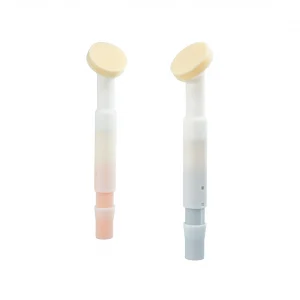
Sterile CHG Applicator with 2% CHG and 70% IPA for preoperative skin preparation. Available in 3mL, 6mL & 10.5mL. OEM & private label available.
View details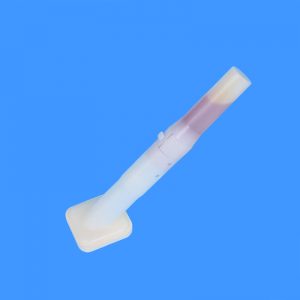
More effective at reducing skin bacteria than other antiseptics Exhibits a rapid & persistant bactericidal activity without irritating the skin Ac...
View details-300x300.jpg "CHG Swab Applicator")
CHG Swab Applicator is a pre-saturated, sterile, single-use device designed for preoperative skin antisepsis. It combines the powerful antimicrobia...
View details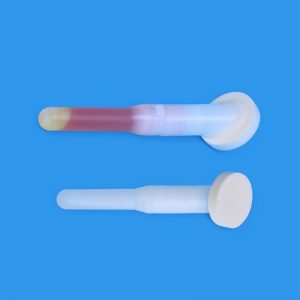
More effective at reducing skin bacteria than other antiseptics Exhibits a rapid & persistant bactericidal activity without irritating the skin Ac...
View detailsWe value your privacy We use cookies to enhance your browsing experience, serve personalized ads or content, and analyze our traffic. By clicking "Accept All", you consent to our use of cookies.
Our Privacy Policy