 A professional supplier of swabs
what is a chg swab
2353Sterile Applicator chg swab is a tinted solution of 2% w/v Chlorhexidine Gluconate (CHG) and 70% v/v Isopropyl Alcohol (IPA). It is indicated for ...
View detailsSearch the whole station Lab Supply
Picture this: a seasoned nurse moves through a hospital ward, carefully balancing a stainless-steel tray. On it sits a sterile bowl, a pair of metal forceps, and a pile of cotton balls. The process is familiar, almost ritualistic: dip a cotton ball, squeeze out the excess, and apply. It’s a scene that speaks of tradition and precision—but also hints at hidden complexities.
Now, fast-forward to today. A nurse picks up a slim, single-use applicator. One snap to break the seal, a gentle squeeze, and the medication is applied—smooth, even, and controlled. No tray, no tools, no guesswork.
This isn’t just a change of tools. It’s a revolution in design thinking, one that’s reshaping medical efficiency and safety, one application at a time.
The Hidden Costs of “The Old Way”
The traditional method—using forceps and cotton—has served healthcare well for decades. But beneath its simplicity lies a range of challenges:
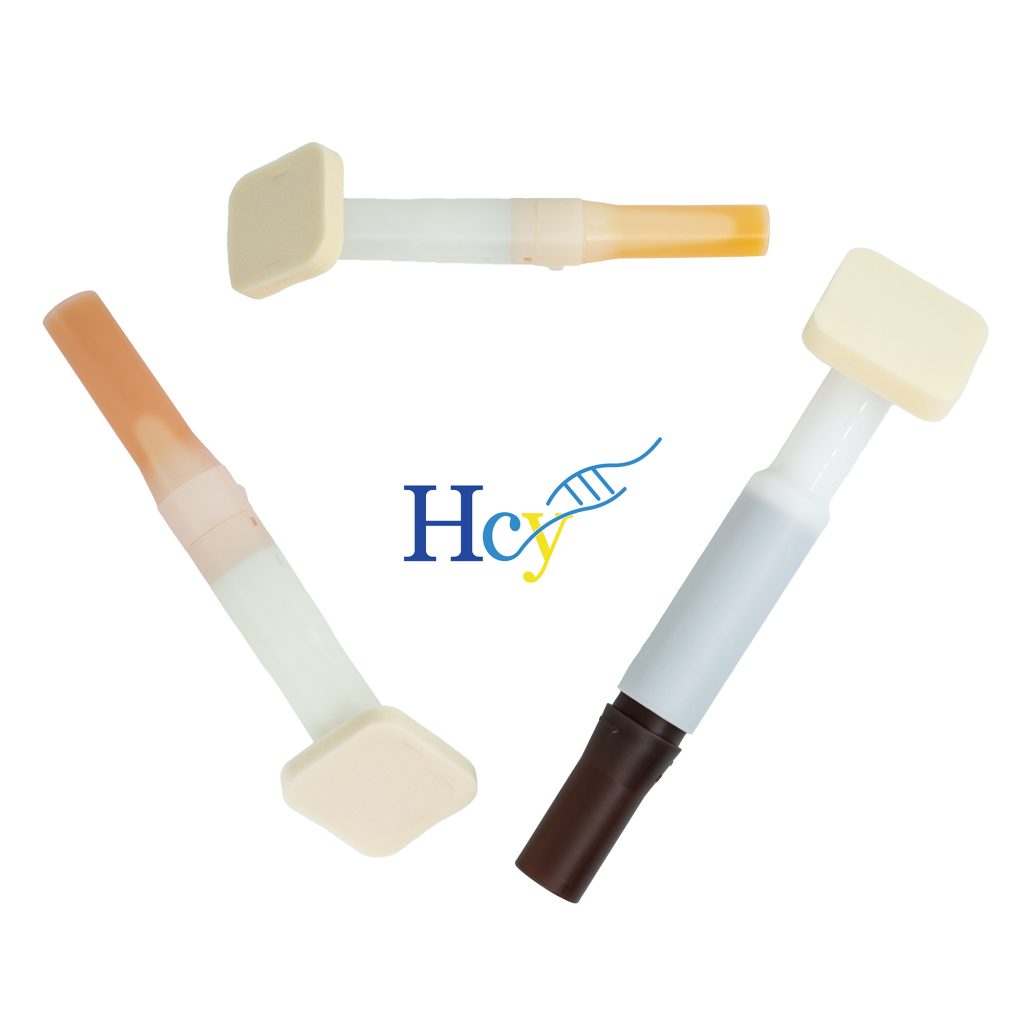
When Design Meets Purpose: The All-in-One Applicator
Enter the modern applicator—a product of intentional, human-centered design. It turns a multi-step process into three intuitive actions: snap, squeeze, and apply.
But the real genius lies in what’s not visible:
Ergonomics & Safety: Designed to fit comfortably in hand, it minimizes strain and maximizes control. It also keeps the caregiver’s hands at a safe distance from the application site.
Precision Delivery: The design ensures that nearly 100% of the medication is released directly onto the skin. No saturation, no waste—just consistent, reliable application.
Sterility Guaranteed: Each unit is sealed and self-contained. There’s no exposure to air, surfaces, or additional instruments.
The Visual Proof: An Experiment in Efficiency
To truly grasp the difference, consider a simple visual test:
Take a standard cotton ball, dip it into a colored disinfectant solution, and then squeeze it out over a clear container. You’ll notice a surprising amount of liquid remains trapped inside—absorbed by the cotton, never to be used.
Now, take an all-in-one applicator. Squeeze it. Almost every drop is released, cleanly and completely. That’s efficiency you can see.
More Than a Tool—A Design Philosophy
This shift from trays and cotton to integrated applicators reflects a broader movement in healthcare: the move toward minimalist, high-impact design.
It’s not about doing more with more. It’s about doing more with less—less waste, less risk, less complexity. It’s design that respects the time of medical professionals and prioritizes the safety of patients.
In the end, it’s not just a better applicator. It’s a better idea—applied.
Sterile Applicator chg swab is a tinted solution of 2% w/v Chlorhexidine Gluconate (CHG) and 70% v/v Isopropyl Alcohol (IPA). It is indicated for ...
View details
The Chlorhexidine Gluconate Applicator is designed for preoperative skin preparation and general antiseptic use. It effectively reduces bacteria th...
View details
More effective at reducing skin bacteria than other antiseptics Exhibits a rapid & persistant bactericidal activity without irritating the skin Ac...
View details
Learn why CHG applicators need to dry before clinical procedures and how proper application supports safe, consistent skin antisepsis.
View detailsWe value your privacy We use cookies to enhance your browsing experience, serve personalized ads or content, and analyze our traffic. By clicking "Accept All", you consent to our use of cookies.
Our Privacy Policy