Chlorhexidine is one of the most widely used antiseptics in operating rooms worldwide. But when surgery involves the brain, spinal cord or surrounding neural structures, a familiar skin preparation solution deserves a closer look. Could an antiseptic routinely used to protect patients from infection pose a serious risk if it reaches the wrong anatomical site?
Chlorhexidine: A Trusted Antiseptic with Important Limitations
Chlorhexidine (CHG), particularly when combined with alcohol, is widely used for preoperative skin antisepsis. Its antimicrobial activity and residual effect make it an important part of surgical infection prevention protocols.
However, chlorhexidine is intended for external skin use, and certain anatomical areas require special precautions. Product labeling for commonly used CHG-alcohol preparations warns against contact with the meninges and specifically restricts use in procedures such as lumbar puncture.
The concern is not simply about the skin. It is about what happens if the antiseptic reaches structures that are highly sensitive to chemical exposure.
Why Can Chlorhexidine Be Dangerous Around the Brain and Spinal Cord?
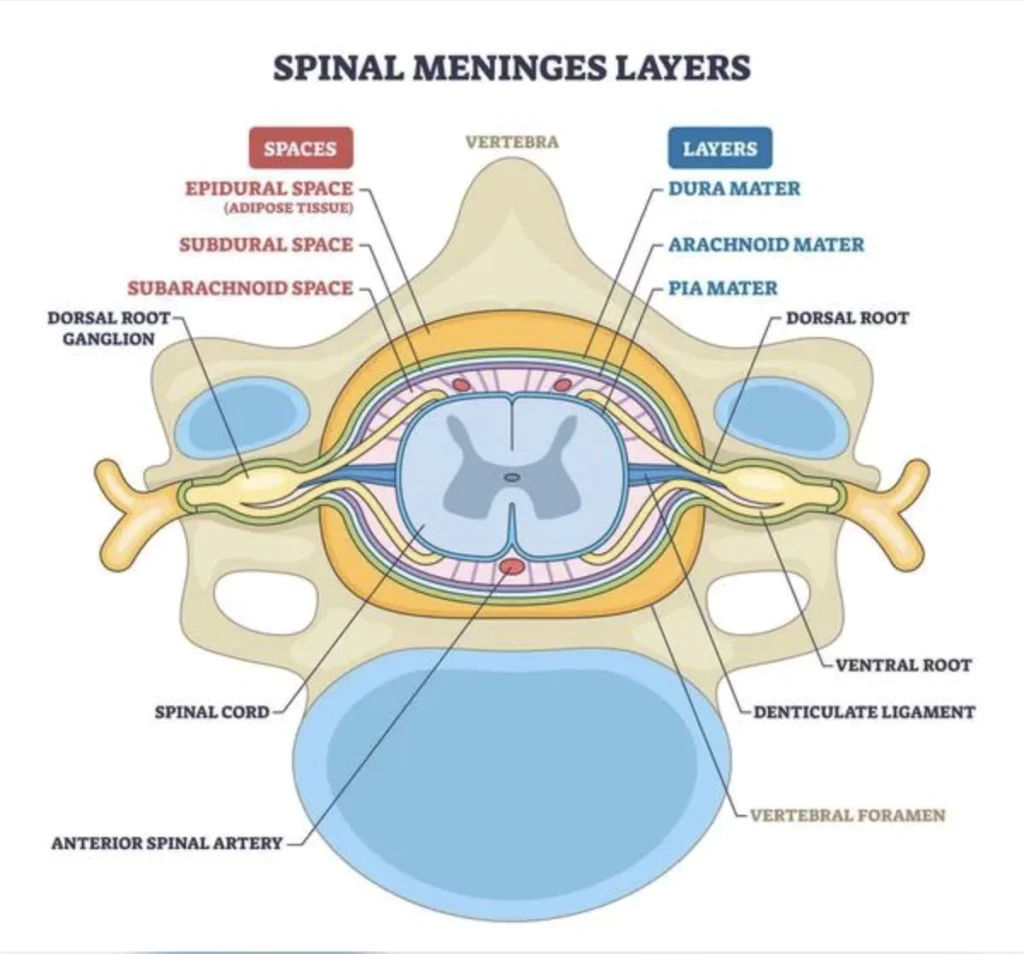
The brain, spinal cord, meninges and cerebrospinal fluid are particularly sensitive to chemical injury. Chlorhexidine exposure to these structures may cause neurotoxicity, potentially resulting in serious and irreversible neurological damage.
This is why preventing unintended exposure is particularly important in procedures involving the central nervous system or the neuraxial space.
Potential exposure risks during surgical preparation may include:
Antiseptic solution running into an open surgical field.
Pooling of liquid around the incision or exposed structures.
Contamination of surgical instruments, needles or other equipment.
Accidental introduction of antiseptic into the neuraxial space.
These risks do not mean that chlorhexidine is universally prohibited in every neurosurgical or spine procedure. Preoperative skin antisepsis may still be performed in appropriate surgical settings, provided the product is suitable for the procedure and precautions are followed. However, procedures involving exposed meninges or neural structures require particular attention to product restrictions and contamination prevention.
Is Povidone-Iodine a Safer Alternative When CHG Is Not Suitable?
When chlorhexidine is contraindicated or unsuitable for a particular patient or procedure, povidone-iodine (PVP-I) is one of the commonly recommended alternatives for surgical skin antisepsis.
Povidone-iodine is an iodine-based antiseptic with broad antimicrobial activity. Depending on the formulation, it may be available as an alcohol-based or aqueous solution, allowing healthcare professionals to select a preparation according to the surgical site, clinical requirements and product instructions.
The NICE guideline on surgical site infection prevention identifies alcohol-based povidone-iodine as an alternative when chlorhexidine is contraindicated. If both alcohol-based preparations and chlorhexidine are unsuitable, an aqueous povidone-iodine preparation may be considered.
Nevertheless, povidone-iodine is not automatically safe for direct contact with the brain, spinal cord, meninges or cerebrospinal fluid. The appropriate formulation and application must still be determined according to the intended use, product labeling and clinical protocols.
Choosing the Right Antiseptic for the Right Surgical Setting
The selection of a surgical skin antiseptic should never rely on the active ingredient alone. The surgical site, patient factors, formulation, application method and potential exposure to sensitive tissues all matter.
For procedures involving the brain, spinal cord or neuraxial structures, surgical teams should carefully review antiseptic product instructions, institutional protocols and applicable clinical guidelines before use.
In appropriate circumstances, povidone-iodine may provide a practical alternative for preoperative skin antisepsis when chlorhexidine cannot be used.
HCY: Supporting Safe and Appropriate Surgical Skin Preparation
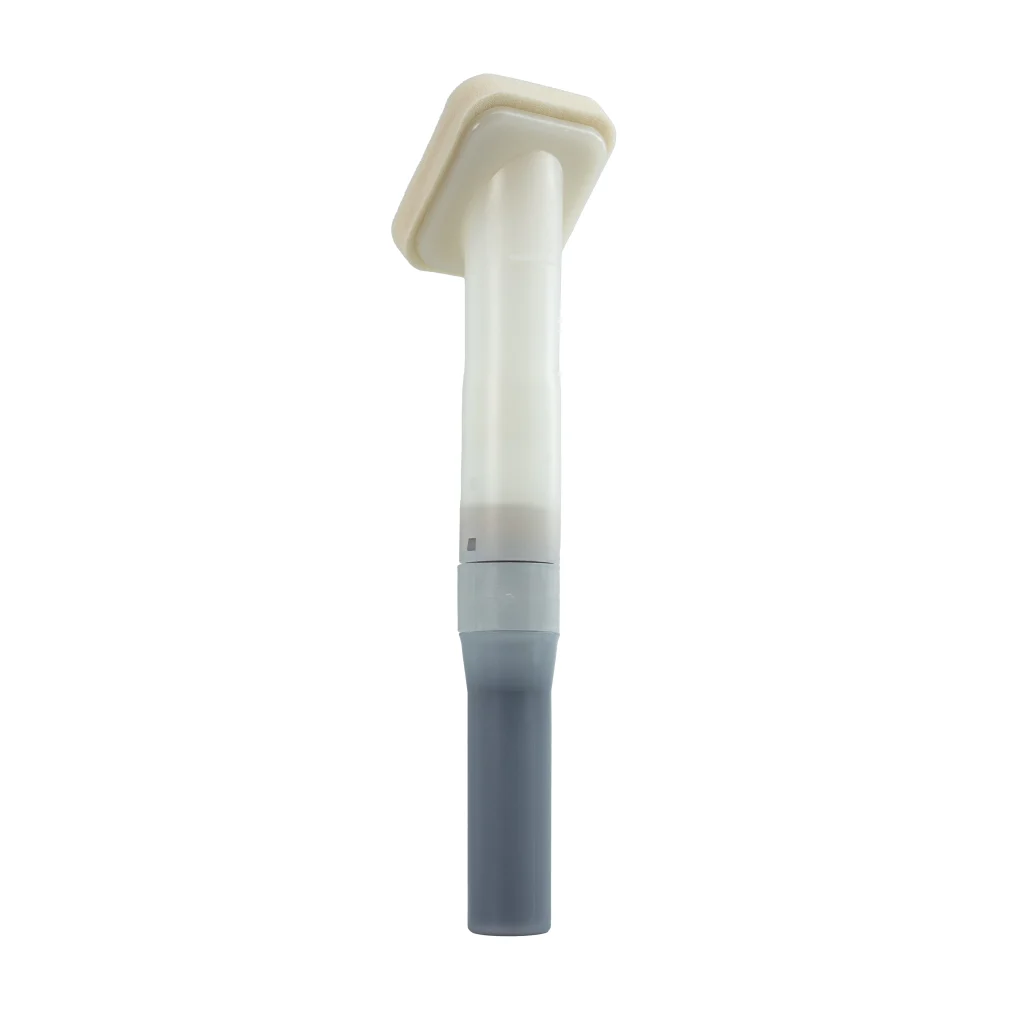
HCY provides CHG Applicators for preoperative skin antisepsis in clinical settings where their use is appropriate according to product labeling and established medical protocols.
Choosing the right antiseptic is an essential part of surgical infection prevention. Understanding product limitations, preventing unintended exposure and following clinical guidelines are equally important to achieving safe and effective skin preparation.
In surgical antisepsis, the best choice is not simply the most familiar antiseptic, but the one that is appropriate for the patient, the surgical site and the clinical procedure.
We value your privacy We use cookies to enhance your browsing experience, serve personalized ads or content, and analyze our traffic. By clicking "Accept All", you consent to our use of cookies. Our Privacy Policy
 A professional supplier of swabs