 A professional supplier of swabs
HPV Swab, HPV Collection Kit
6795The cervical swab is specifically used to collect samples from the woman's cervix for subsequent testing. Cervical brush (broom) +collection tube with transport medium. The transport ...
View detailsSearch the whole station Lab Supply
Cervical cancer is one of the most preventable cancers, yet nearly 300,000 women still lose their lives to it every year. The medical community has the tools—HPV testing is accurate, effective, and widely available. So why are we still falling short of global elimination targets?
The answer isn’t a lack of technology. It’s a lack of reach.
Despite advances in molecular diagnostics, screening coverage remains stubbornly low in many regions. Women cite the same barriers again and again: embarrassment, discomfort, lack of time, and limited access to healthcare facilities. The solution, increasingly, is self-sampling. But here’s the catch—not all self-sampling kits are created equal.
If a kit is difficult to use, uncomfortable, or confusing, patients won’t use it. Worse, even if they try, they may end up with an invalid sample, defeating the purpose entirely. The physical design of a self-sampling kit doesn’t just influence user experience—it directly determines whether a screening program succeeds or fails.
Design Features That Matter
When we talk about user-centric design in medical devices, we’re not just discussing aesthetics. We’re talking about features that directly impact sample quality, patient confidence, and public health outcomes.

Comfort and Ergonomics
Let’s start with the most obvious concern: the swab itself. A poorly designed swab can cause discomfort, hesitation, or even pain—three things that guarantee a woman will think twice before participating in screening again.
Premium kits prioritize the user’s physical experience. The brush head should be soft yet effective, with fibers designed to collect adequate cellular material without causing mucosal irritation. The shaft diameter matters too; overly thick or rigid shafts increase discomfort, while poorly finished edges can create micro-abrasions.
(Premium kits utilize smooth, burr-free injection molding to minimize mucosal discomfort—a hallmark of experienced medical device manufacturers.)
These details may seem minor, but for the woman holding the kit in her bathroom, they make the difference between a one-time stressful experience and a manageable, repeatable health habit.
Visual Guidance and Clear Instructions
Even the most ergonomic swab is useless if the user doesn’t know how to use it correctly. One of the most overlooked aspects of kit design is the instruction leaflet.
High-quality kits use clear, step-by-step visuals that transcend language barriers. Pictograms showing correct swab rotation, insertion depth, and handling of the preservation tube reduce user error dramatically. For global programs, multilingual packaging ensures that non-native speakers aren’t left guessing.
When instructions are intuitive, users feel confident—and confidence drives compliance.
Safe Disposal and Environmental Responsibility
A thoughtful kit doesn’t forget what happens after the sample is collected. Features like leak-proof transport bags, absorbent materials, and clearly marked biohazard labeling protect users and postal workers alike.
Eco-conscious packaging, such as reduced plastic use or recyclable materials, also signals a manufacturer’s commitment to responsibility. These are not cheap additions. They reflect the kind of investment that only established, scale-driven manufacturers can consistently deliver.
The true test of any self-sampling kit lies in one number: the invalid sample rate.
Industry-wide, invalid rates typically range from 2% to 5%. Causes include insufficient cellular collection, improper handling of the swab after sampling, or leakage of the preservation medium during transport.
However, when kits are designed with precision—particularly in swab head structure and seal integrity of pre-filled tubes—invalid rates can drop below 1%.
What separates a 3% invalid rate from a 0.8% invalid rate? It’s not luck. It’s mold precision, material quality, and manufacturing consistency.
(Leading OEM manufacturers like Huachenyang have reported significantly lower invalid rates in third-party evaluations due to their precision mold design and automated production lines.)
For large-scale screening programs, every percentage point matters. A 2% reduction in invalid samples means thousands of women spared the distress of receiving an inconclusive result and needing to be re-tested or recalled.
When we talk about “best-in-class” HPV self-sampling kits, the conversation often starts with PCR compatibility or clinical sensitivity. Those are essential. But the real differentiator—the one that turns a technically sound product into a public health success—is user-centric design.
The top brands in this space understand that they are not just selling swabs and tubes. They are offering confidence, comfort, and clarity to women who may already feel anxious about screening. They are designing for real people, not just for lab benches.
When patients are empowered with intuitively designed tools, screening programs achieve higher population coverage. And higher coverage is what will finally make cervical cancer elimination a reality.
FAQ :
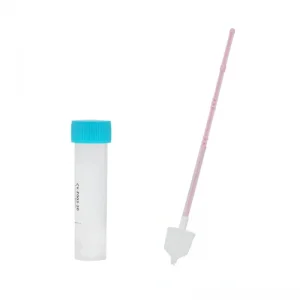
The cervical swab is specifically used to collect samples from the woman's cervix for subsequent testing. Cervical brush (broom) +collection tube with transport medium. The transport ...
View details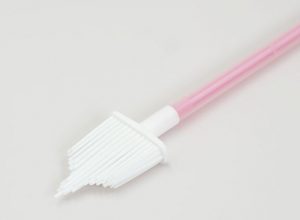
The Pap Smear Brush is specifically used to collect samples from the woman’s cervix for subsequent testing.
View detailsWe value your privacy We use cookies to enhance your browsing experience, serve personalized ads or content, and analyze our traffic. By clicking "Accept All", you consent to our use of cookies.
Our Privacy Policy